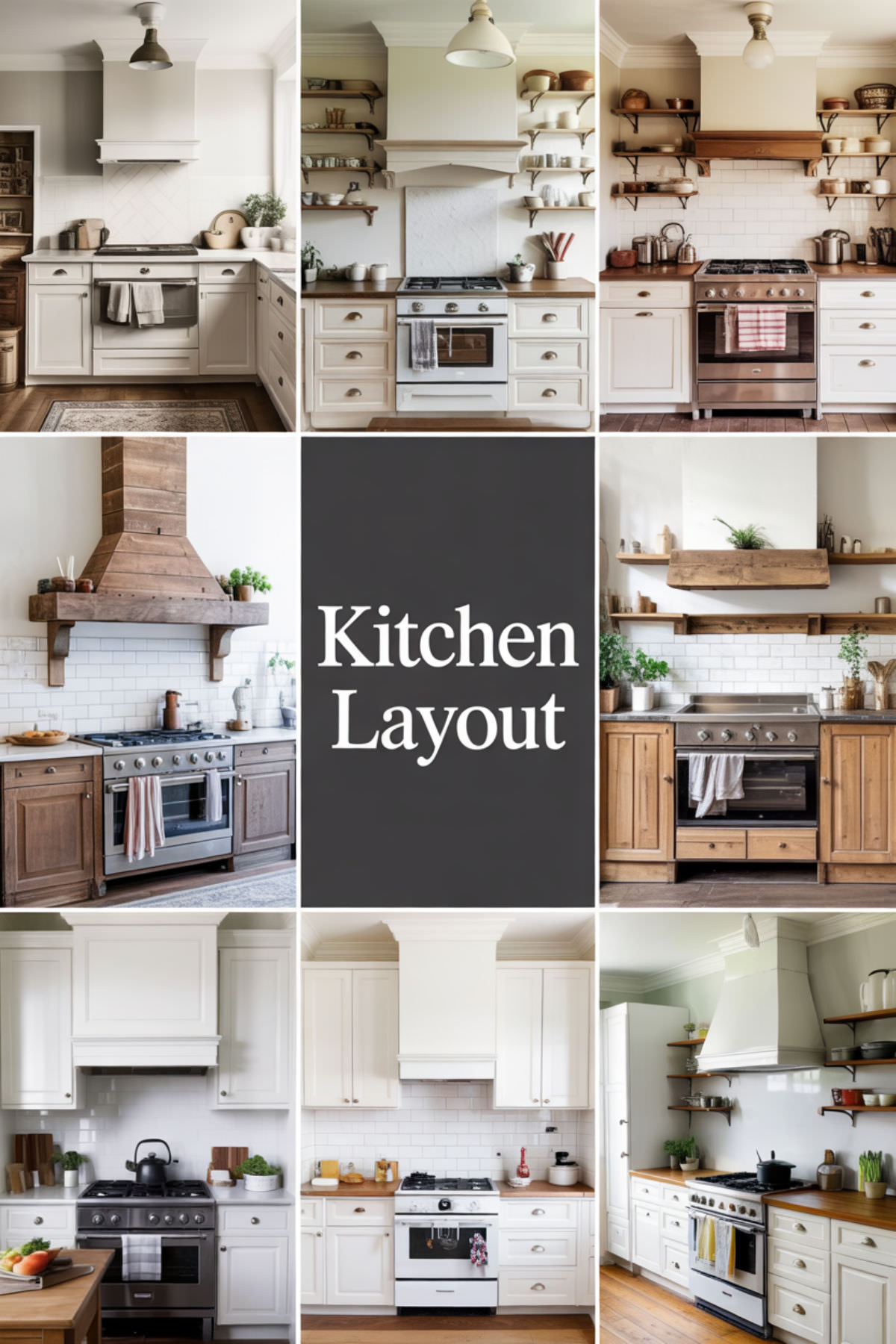
When Emma’s sister visited three weeks postpartum, she found Emma crying while trying to make a bottle one-handed, bouncing a screaming baby, with the formula container on the opposite counter from the bottle warmer. The kitchen that once made perfect sense now felt like an obstacle course designed by someone who’d never held a baby at 3 AM. Your kitchen layout during the newborn phase isn’t just about aesthetics – it’s about survival engineering. Every step saved, every reach eliminated, every zone optimized means more energy for actually caring for your baby (and maybe, just maybe, yourself).
These layout ideas understand that your kitchen needs to function differently now. We’ve included smart product recommendations that transform standard layouts into baby-command centers.
Save these pins for those middle-of-the-night planning sessions when you’re dreaming of a kitchen that actually works with your new life. And absolutely check out our other new mom home solutions, because every room needs to support you through this beautiful, exhausting phase. These are just décor suggestions — not professional guidance, with fictional scenarios included.
L Shaped Kitchen Modern Design for One-Armed Operation
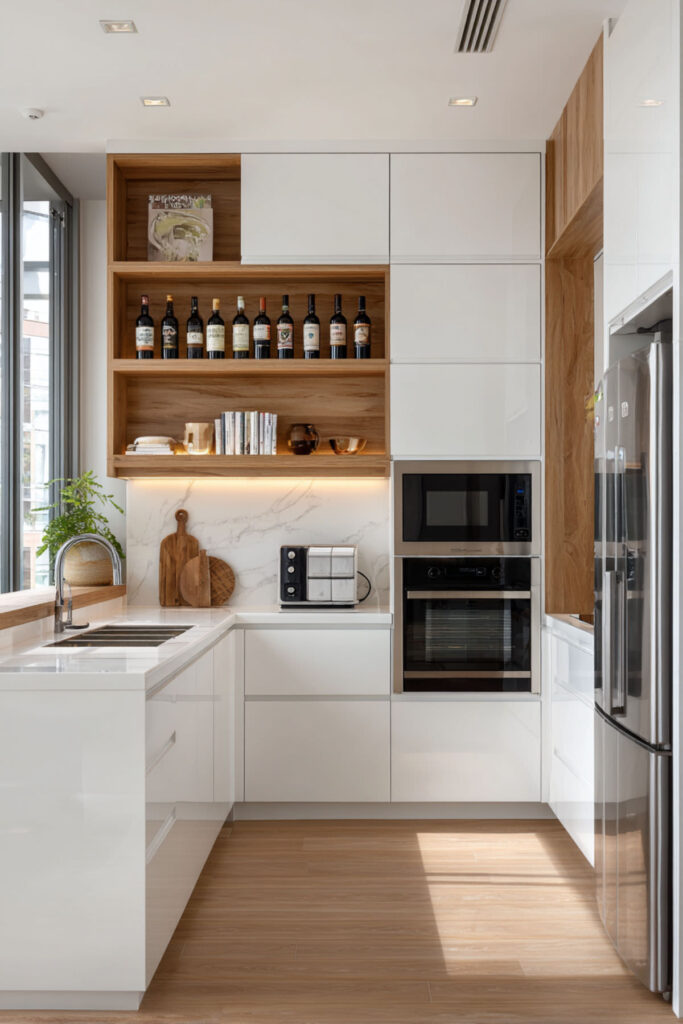
An L shaped kitchen modern layout becomes genius for new moms because everything clusters in one corner – perfect for one-handed operation while holding baby. Position your bottle prep station at the corner junction where both counters meet. You can pivot between sink, bottle warmer, and formula without steps.
Add a bouncer or swing in the corner’s sight line so baby can see you while you work. This configuration reminds us of those ergonomic workstations, but for exhausted parents instead of office workers. I really recommend this corner lazy Susan that brings bottle supplies to you without reaching.
Create Kitchen Zone Design for Day and Night Functions

Your kitchen zone design should separate daytime meal prep from nighttime bottle stations. Designate one counter exclusively for bottle operations – warmer, sterilizer, drying rack, formula dispenser all within arm’s reach. Another zone handles regular food (you still need to eat, theoretically).
This separation means no fumbling through dinner dishes to find clean bottles at 2 AM. Position the bottle zone nearest the door for quick access during night feeds. Zone design isn’t about perfection; it’s about reducing decisions when your brain barely functions.
Small U Shaped Kitchen With Everything in Reach

A small U shaped kitchen might feel cramped normally, but with a baby it’s brilliant – everything surrounds you within two steps. No crossing the room while baby cries. Install pull-out drawers in lower cabinets so you’re not bending deeply (hello, C-section recovery).
The U-shape creates a contained safe zone where baby can play on a mat while you cook, visible from every angle. Add padding to counter corners at hip height – you’ll bump into everything while carrying baby. This layout works especially well in that small kitchen design layout everyone thinks is too tight.
One Wall Kitchen Layout With Mobile Island
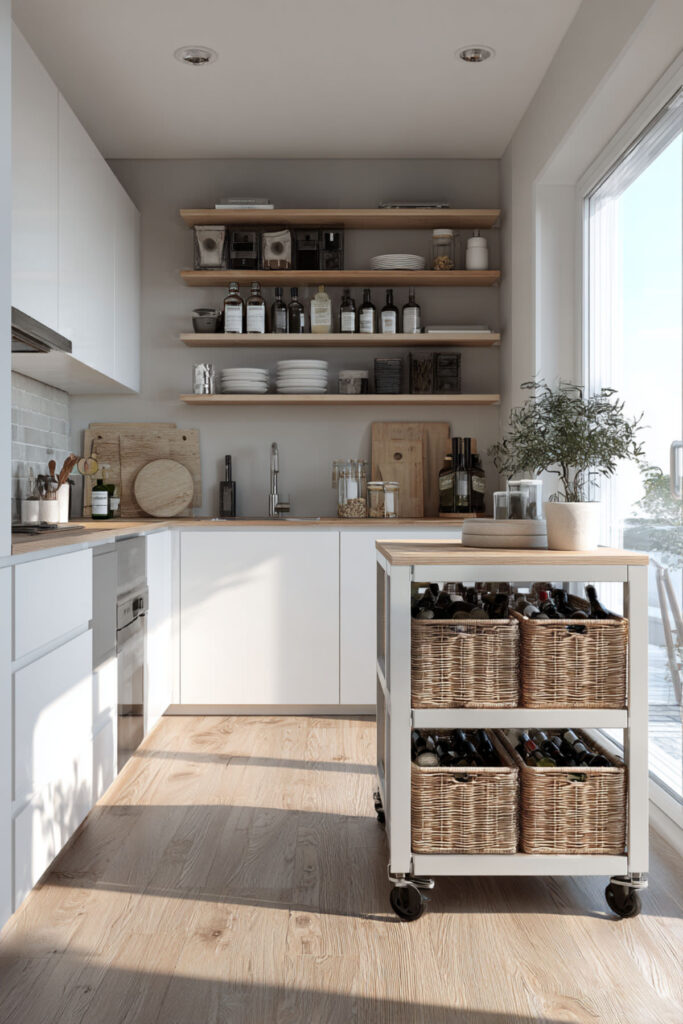
The one wall kitchen layout with a rolling island adapts to changing needs throughout the day. Push the island against the wall during tummy time for more floor space. Pull it out for meal prep while baby naps in the bouncer beside you. The island holds bottle supplies on one side, regular cooking items on the other.
Choose one with locking wheels and storage underneath for formula and diapers (yes, kitchen diapers are a thing now). I really recommend this butcher block island that’s sturdy enough for bottle prep but mobile enough for flexibility.
Open Concept Kitchen for Constant Supervision
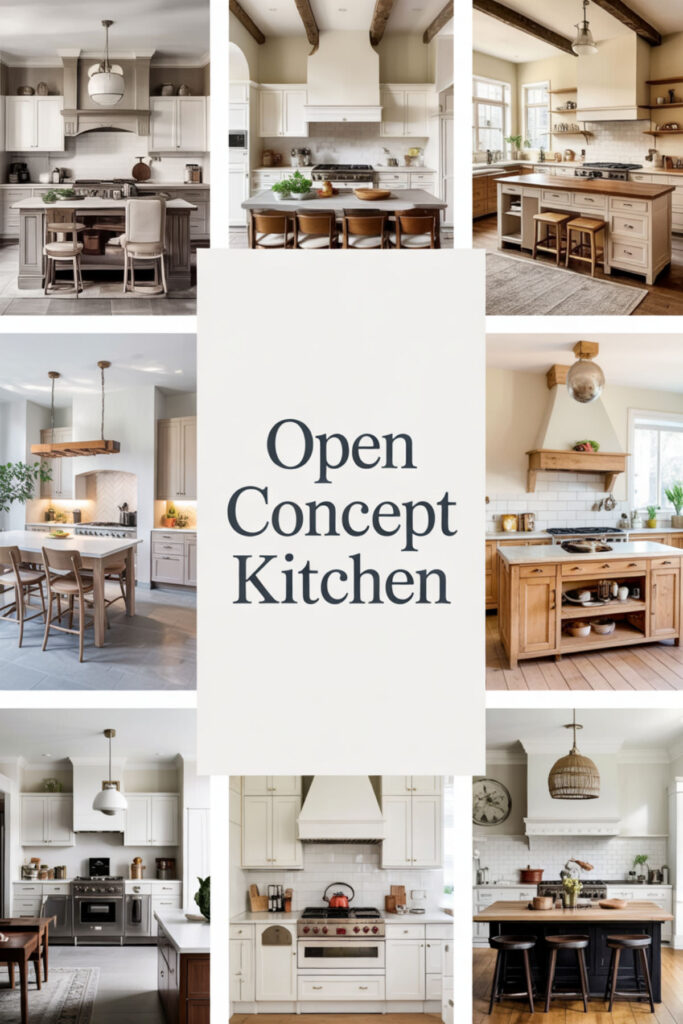
An open concept kitchen living room layout means never losing sight of baby, whether they’re in the bouncer, on a play mat, or napping in the bassinet. Position key work areas facing the living space so you can prep bottles while maintaining eye contact. The open flow means no doors to navigate while carrying baby and bottles.
Create defined zones with rugs rather than walls – soft boundaries that organize space without blocking sight lines. This setup particularly helps during those purple crying hours when baby needs to see you constantly.
Island With Seating for Feeding Multitasking

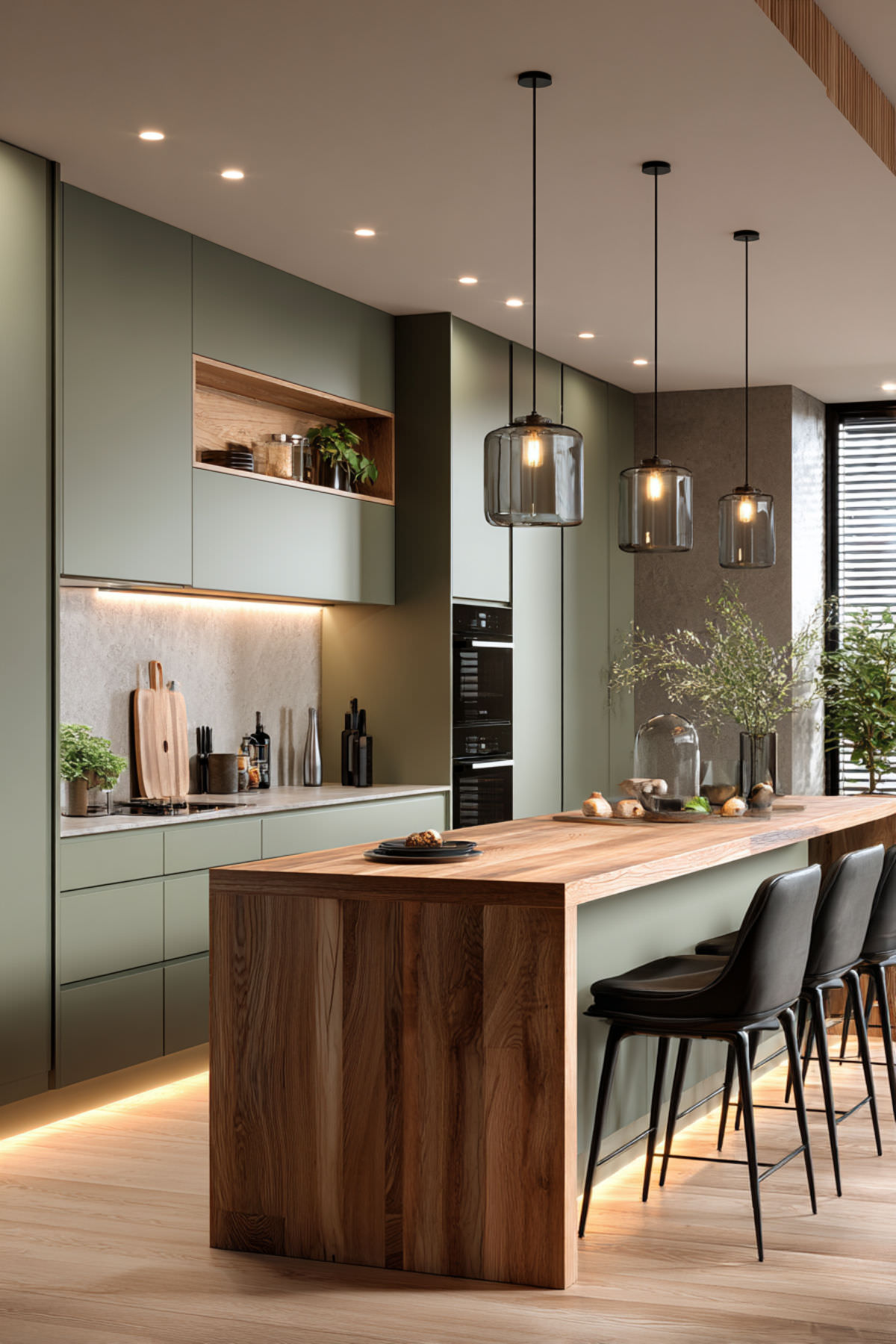
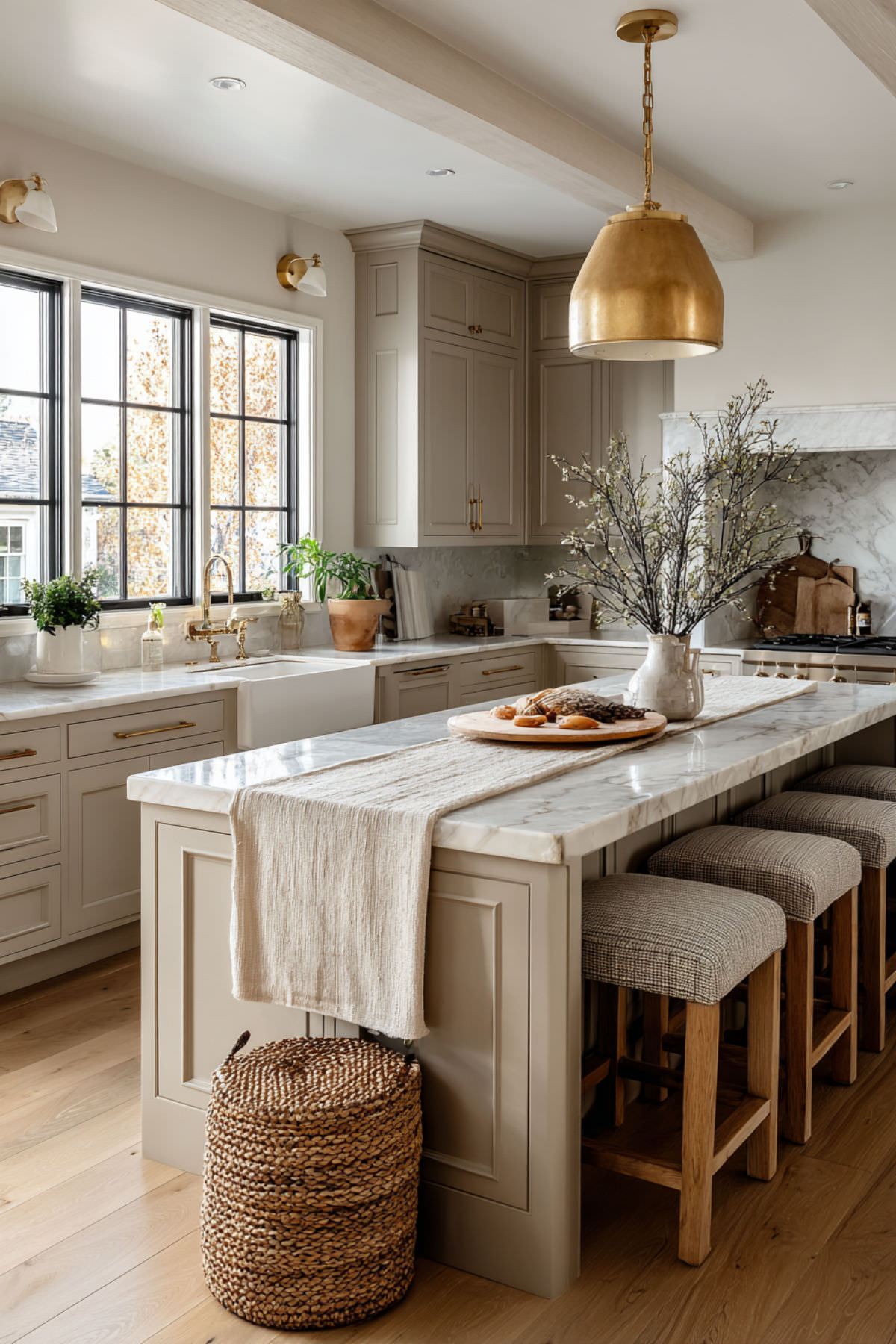
Your island with seating becomes feeding headquarters. Choose stools with backs and arms for safely holding baby while eating (because sitting down for meals is now fantasy). The island height works perfectly for bottle prep standing or sitting. Install outlets on the island ends for bottle warmers and breast pumps. Keep the surface clear except for essentials – this becomes your landing pad for everything.
The seating means older siblings can “help” with baby while contained and supervised. I really recommend these adjustable-height stools that work for different feeding positions.
Galley Kitchen Layout for Efficient Flow

A galley kitchen layout creates an efficient corridor where everything happens in a straight line – perfect when carrying baby. Position bottle prep on one side, regular cooking on the other. The narrow space means less distance to cover when you’re exhausted. Install lighting under both sides of cabinets for night navigation.
Add a runner rug for comfort during those endless standing sessions, but choose one that’s machine washable and non-slip. This layout prevents the wandering that happens when you’re so tired you forget why you entered the kitchen.
Built-In Banquette for Safe Feeding Spots

A built-in banquette creates a cozy feeding nook that contains baby safely during bottles or early solid foods. The enclosed feeling calms fussy babies while high backs support tired parents. Storage underneath holds burp cloths, bibs, and emergency supplies. Position it near a window for natural light during daytime feeds (vitamin D for everyone).
Add washable cushions that can handle every bodily fluid babies produce. This spot transitions beautifully from bottle feeding to high chair meals to homework station years later.
Kitchen Layout Small Floor Plans With Vertical Storage
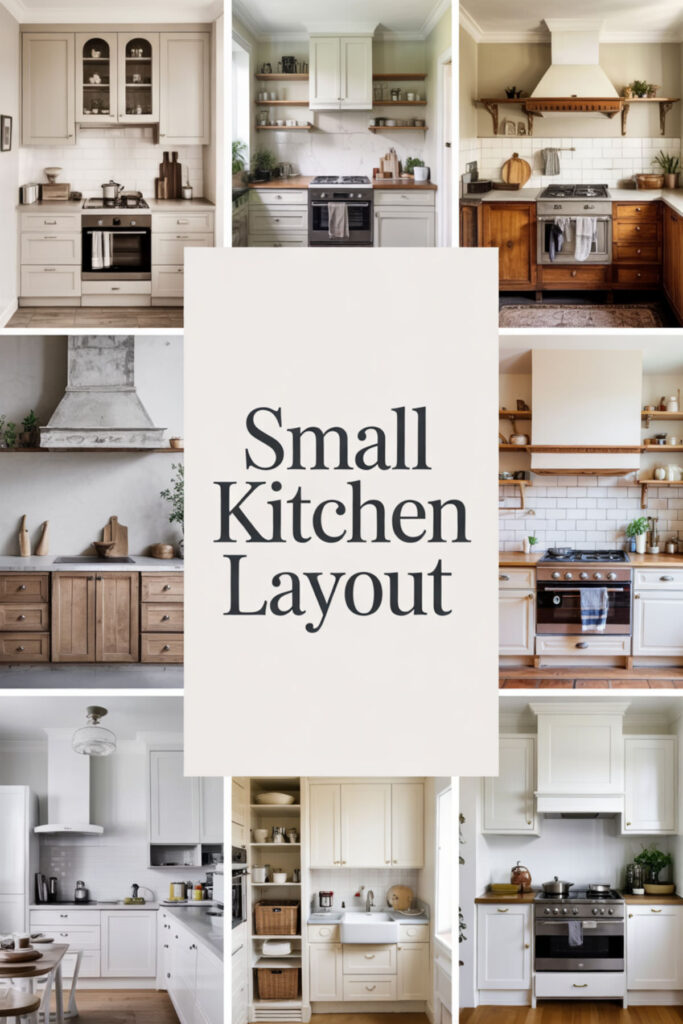
Working with kitchen layout small floor plans means going vertical for baby gear storage. Install wall-mounted formula dispensers, magnetic strips for bottle parts, and ceiling-hung drying racks that fold away. Every inch of wall space should work – hooks for bibs, shelves for bottles, pegboards for accessories.
This approach keeps counters clear for actual use while maintaining easy access. The vertical organization reminds us of those tiny house solutions, but adapted for baby chaos. Small doesn’t mean sacrificing function when you optimize upward.
Work Triangle Adapted for Baby Life

The classic work triangle (sink, stove, fridge) needs baby adaptation. Add bottle prep as the fourth point, creating a diamond layout. Position the bottle station between sink and fridge for easy water and milk access. Keep the path between these points completely clear – no rugs, toys, or furniture to trip over while carrying baby.
The modified triangle means maximum efficiency with minimum movement. This configuration saves precious energy when every step feels monumental. I really recommend this bottle prep station that consolidates everything into one compact unit.
Peninsula Kitchen Layout for Safe Boundaries
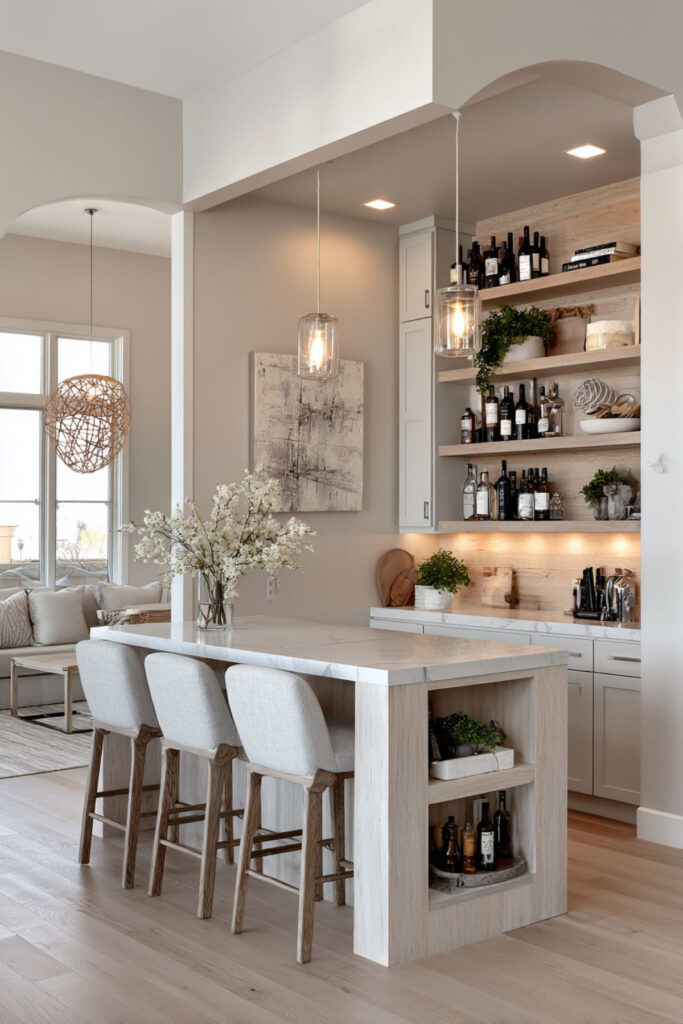
A kitchen with peninsula layout creates natural boundaries keeping baby safe while maintaining openness. The peninsula acts as a gate when baby starts crawling but still allows supervision. Use the back of the peninsula for bottle storage, facing away from the main kitchen for cleaner look.
The extended counter provides extra prep space desperately needed with all the new baby equipment. Peninsula seating works for feeding baby while keeping an eye on dinner. This layout bridges the gap between open and closed kitchens perfectly.
Long Kitchen Layout With Dedicated Baby Zone
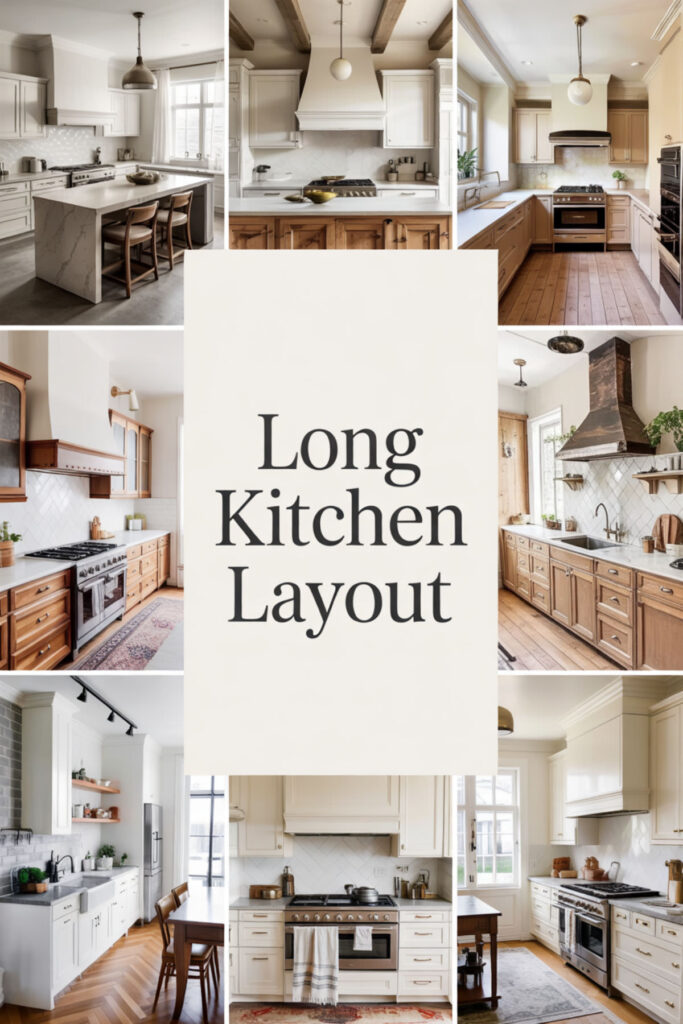
A long kitchen layout allows you to dedicate one entire end to baby operations. Create a complete bottle prep station at one end, regular kitchen at the other. This separation means no contamination between raw chicken and bottle parts (food safety matters more now). The length provides runway space for walking colicky babies while still being “in the kitchen” for dinner prep.
Install dimmer switches for the baby end to keep lighting low during night feeds. This linear approach simplifies decision-making when you’re operating on no sleep, especially when equipped with a premium under-counter beverage fridge to keep bottles and snacks ready without cluttering the main fridge.
Corner Kitchen Layout Maximizing Dead Space
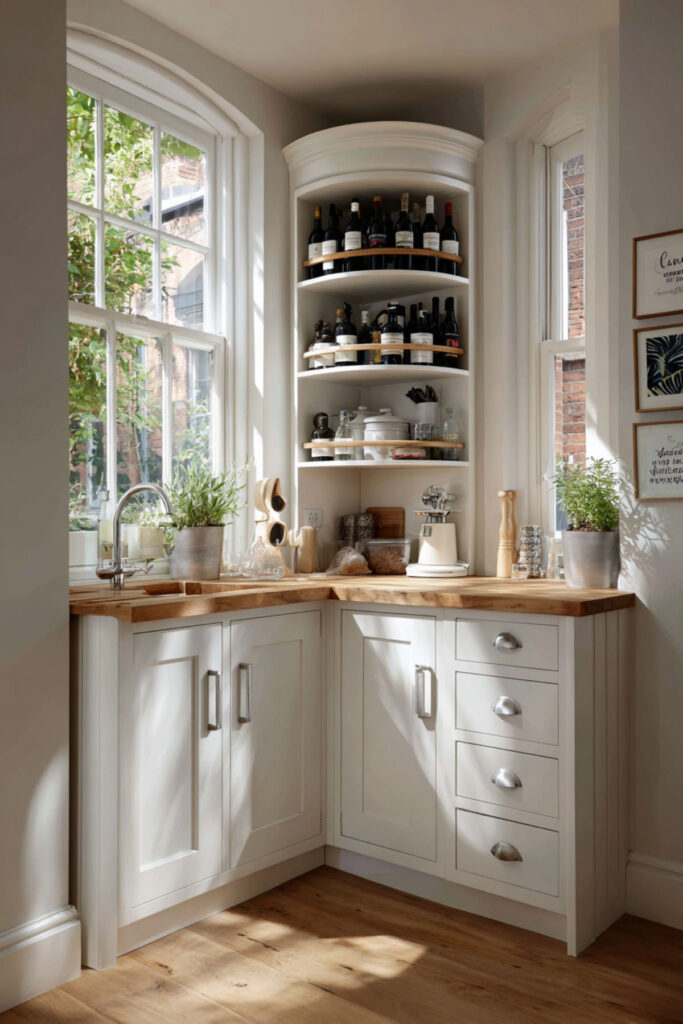
That corner kitchen layout everyone complains about? Perfect for tucking away baby gear. Transform corner dead space into bottle central with lazy Susans bringing supplies forward. The L-shape creates a natural play pen area where baby can safely explore while you cook. Position the high chair in the corner where it’s stable but accessible.
Corner placement keeps baby equipment from dominating the entire kitchen visually, and a custom-built corner storage cabinet makes these awkward spaces feel purposeful and high-end.
Small Kitchen Remodel Layout for Growing Needs
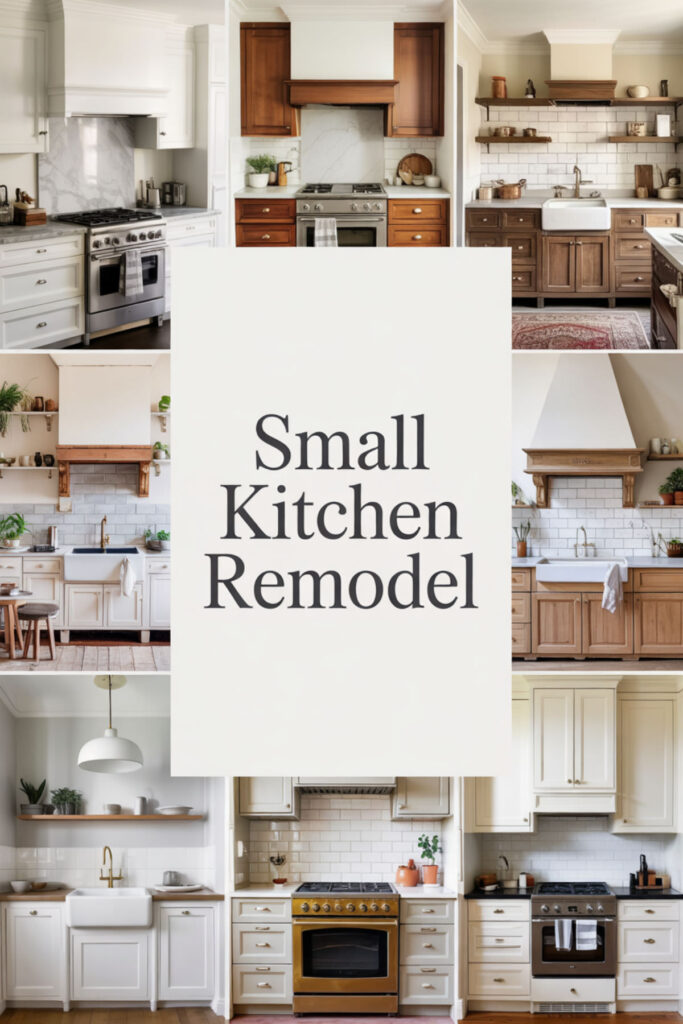
Planning a small kitchen remodel layout with baby in mind means thinking beyond the newborn phase. Choose layouts that adapt: the bottle prep zone becomes a snack station, the feeding nook transforms to homework spot. Install adjustable shelving that rises as baby grows and reaches higher.
Include a designated drop zone near the door for diaper bags now, school bags later. Future-proof with durable finishes that survive everything from spit-up to science projects. I really recommend these adjustable drawer dividers that reconfigure as needs change.
Simple Kitchen Plans for Exhausted Implementation
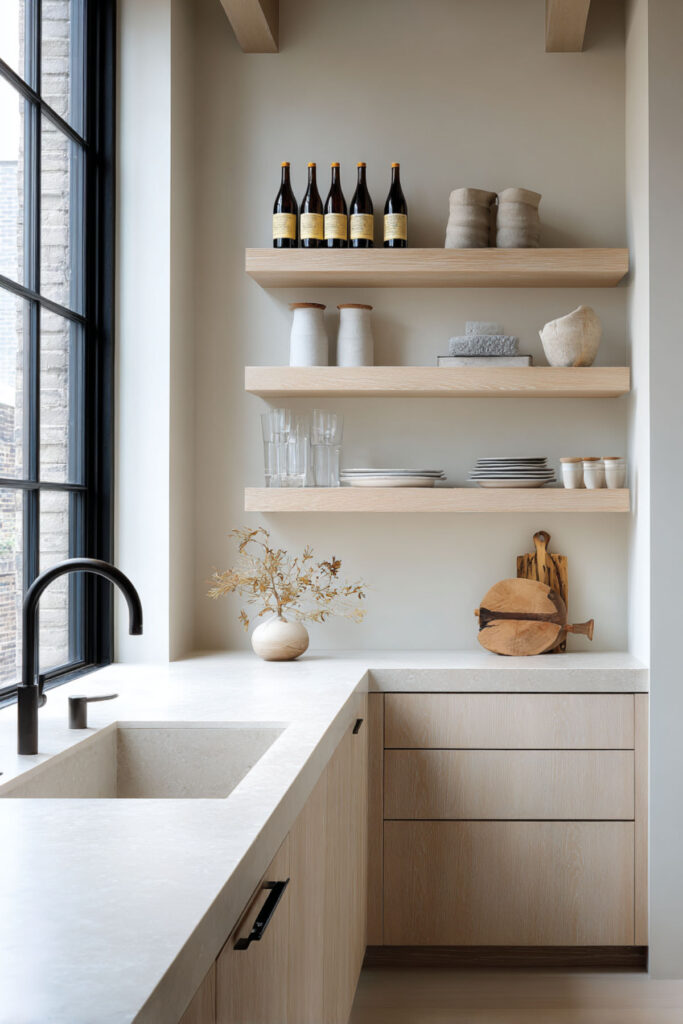
Sometimes simple kitchen plans work best when you’re too tired for complexity. Clear everything from counters except daily essentials. Assign one cabinet exclusively for bottles and feeding supplies. Create a single prep zone rather than scattered stations.
The simplicity reduces decision fatigue when choosing between seventeen bottle sizes at 4 AM. Basic organization beats elaborate systems you won’t maintain. Focus on flow over features – movement patterns matter more than fancy storage when you’re functioning on two hours of sleep..
Transforming Your Kitchen for Baby Reality
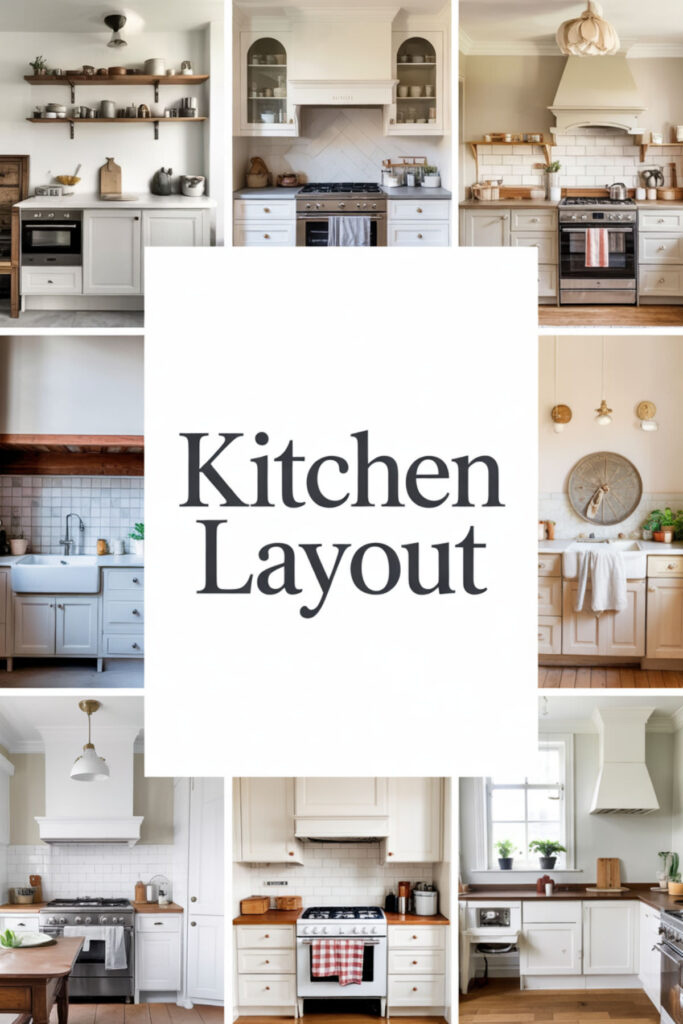
Your kitchen layout during baby’s first year isn’t about magazine perfection – it’s about functional survival. Start with the biggest pain point: maybe it’s the midnight bottle prep distance, or the lack of safe baby containment while cooking. Small layout adjustments can dramatically improve daily life when you’re navigating new parenthood. Make sure to explore these baby-friendly kitchen décor ideas designed for new moms balancing bottle prep with everyday meals.
Ready for more baby-friendly home solutions? Check out our nursery organization guides that actually survive daily use, or our living room layouts that contain chaos while maintaining style. Save these ideas for when you have energy (so… maybe when baby starts sleeping through the night?). Don’t miss these soothing sage green kitchen ideas made for new moms who want a little calm in the middle of daily chaos.
Remember, the best kitchen layout is the one that reduces your stress and steps, not the one that photographs best. Every modification that makes bottle prep easier or feeding time calmer is worth considering, even if it means your kitchen temporarily looks like a baby equipment showroom.
Here are a few more calm ideas — save them to keep your inspiration flowing.


I hope this left you inspired—there’s plenty more bedroom décor magic waiting across my site.