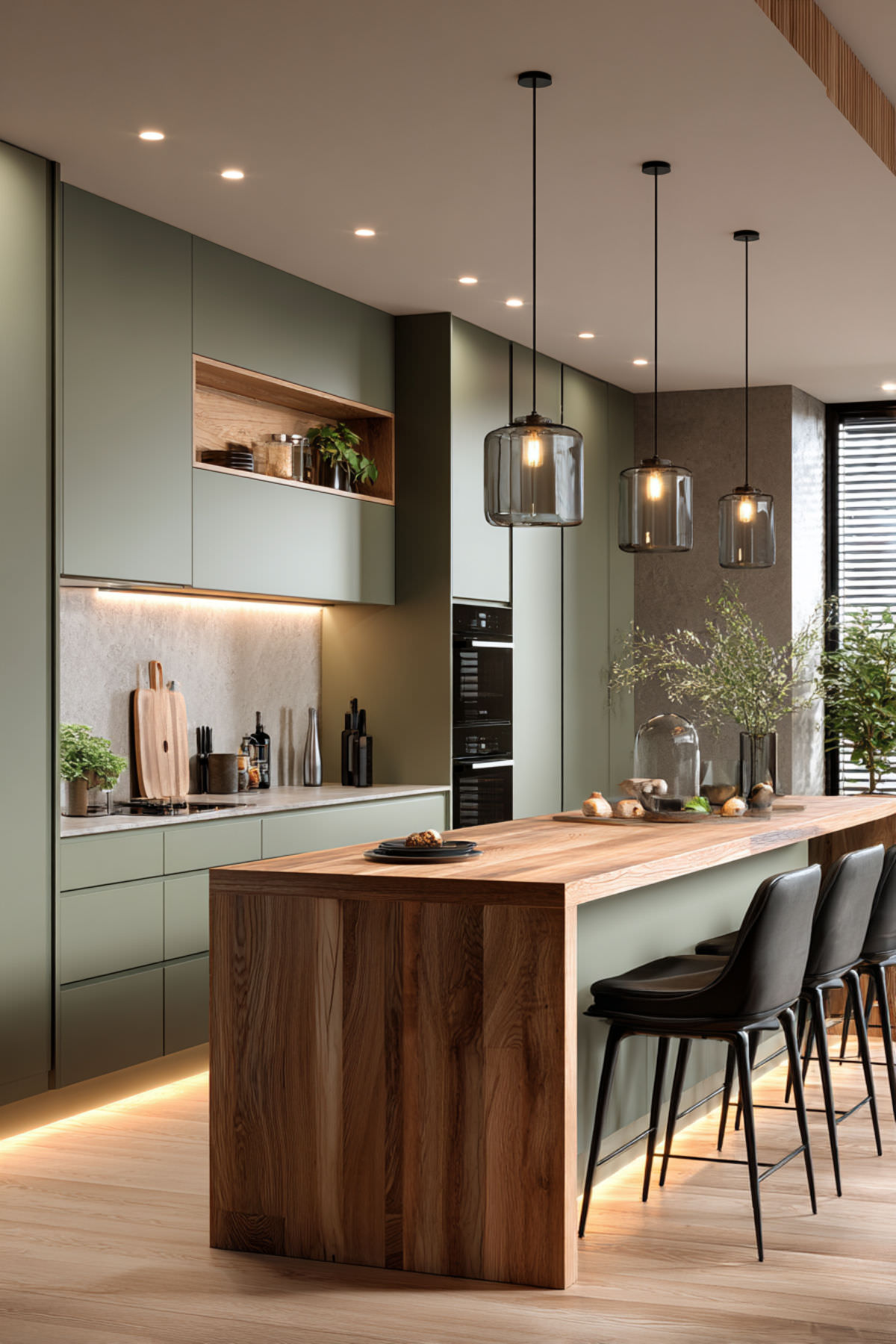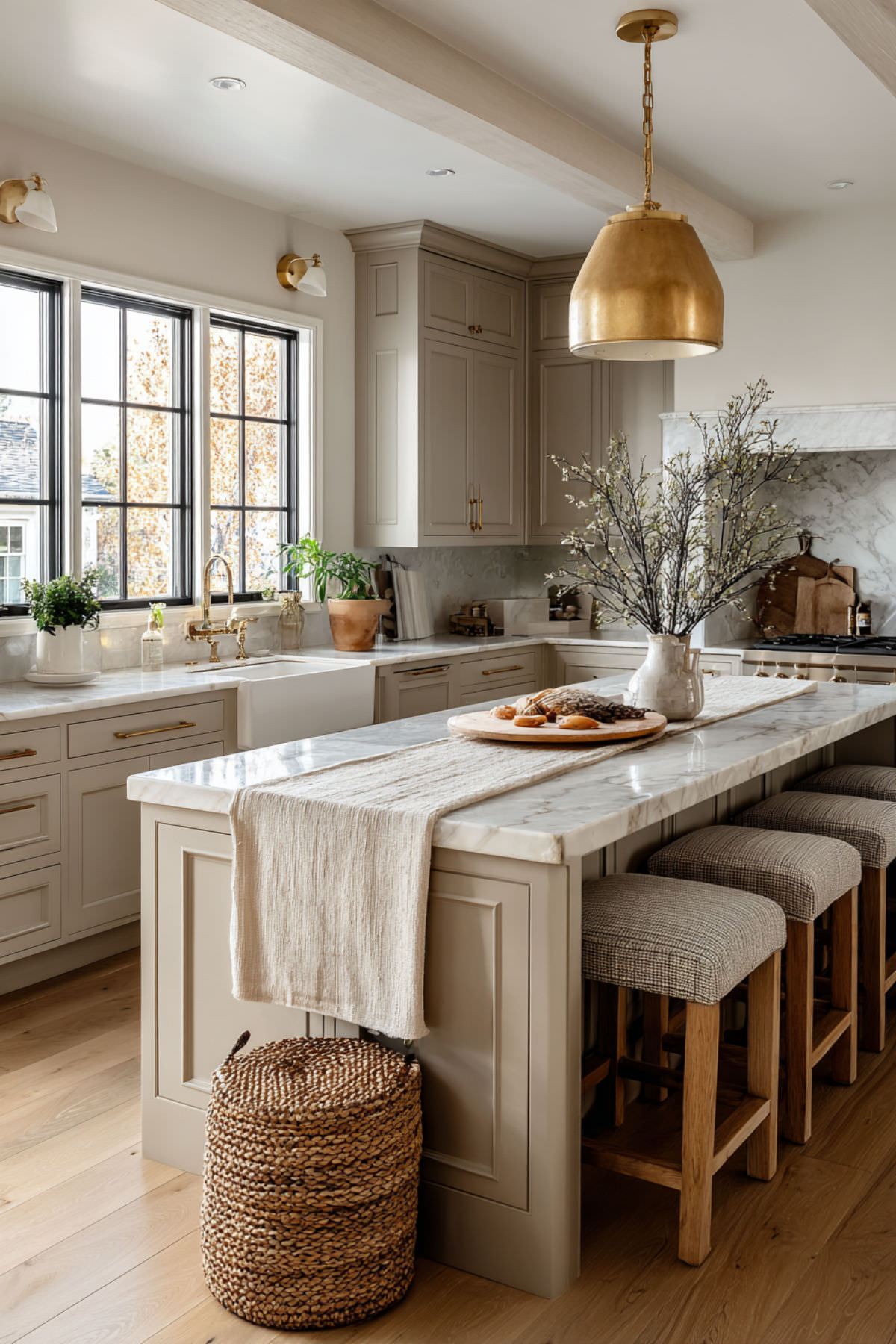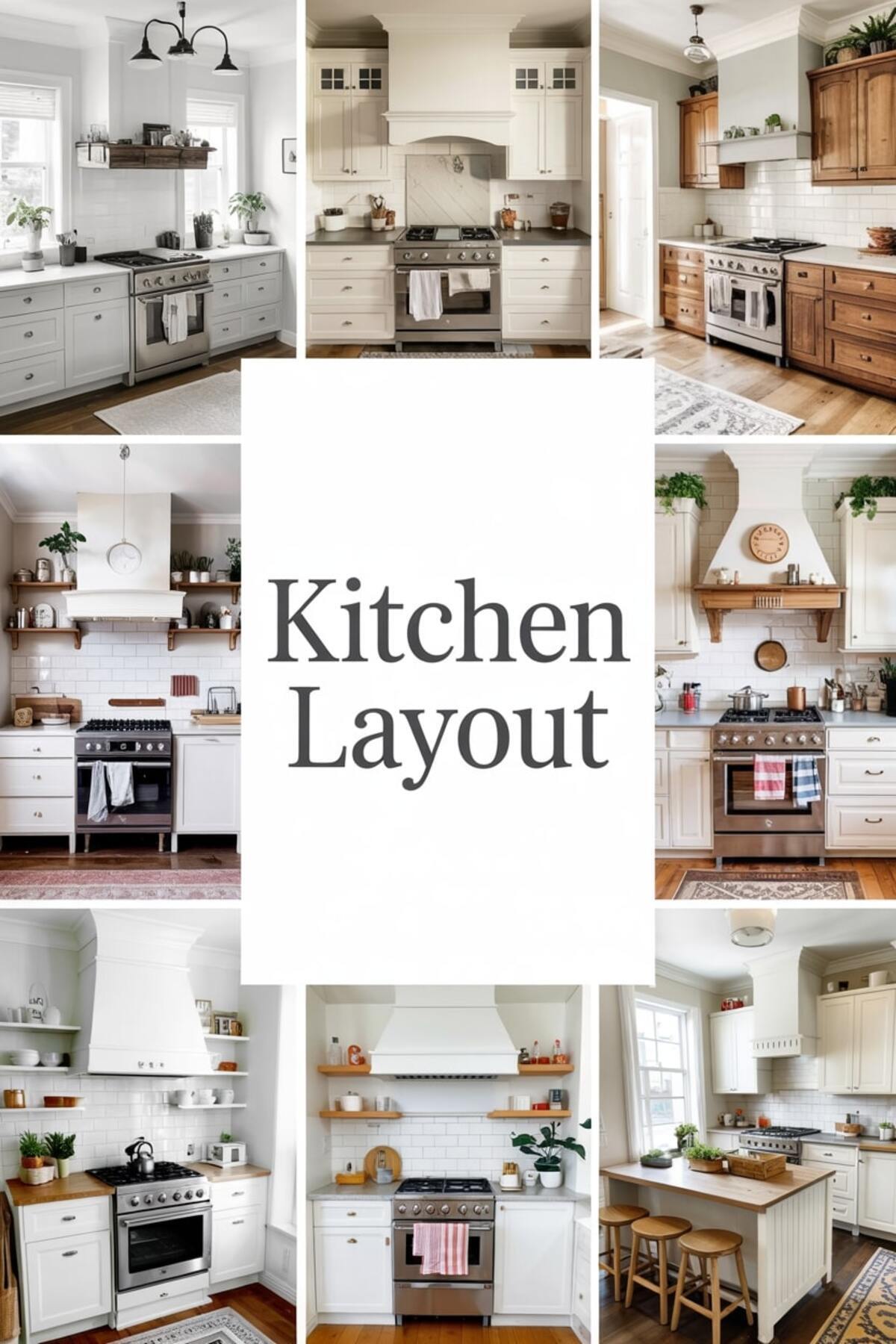
When Jessica’s two-year-old started climbing onto the counter to reach the crackers, sending a glass jar crashing down in the process, she realized her tiny kitchen needed a complete strategy overhaul. Between the constant “I hungry!” soundtrack, the goldfish crackers ground into every crevice, and a kitchen so small that opening the fridge blocked the dishwasher, snack time had become a contact sport.
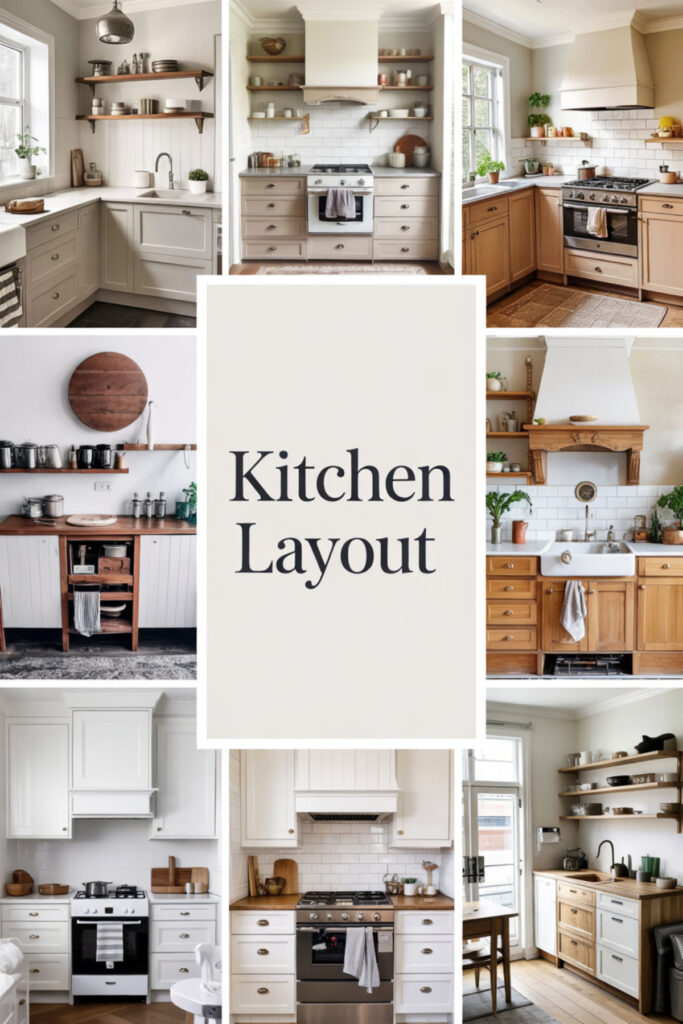
But here’s what nobody tells you about small kitchens with toddlers – the right layout actually makes them easier to manage than sprawling spaces where little ones can disappear with contraband cookies. These layout solutions understand that your compact kitchen needs to work smarter, not harder, during the toddler years. We’ve packed in recommendations for products and arrangements that turn tight spaces into efficient snack-dispensing command centers.
Save these ideas now – you’ll reference them during naptime reorganization sessions. And definitely browse our other small-space parenting solutions, because surviving toddlerhood in a tiny home requires serious strategic planning. This isn’t scientific evidence — it’s décor inspiration, sometimes framed through fictional situations.
Small L Shaped Kitchen Layout With Toddler Snack Corner

That small l shaped kitchen layout everyone thinks is limiting? It’s actually perfect for creating a dedicated toddler snack corner. Use the short leg of the L exclusively for kid-friendly food storage at their height. Install a lower shelf or cabinet with bins they can access independently (prepare for the mess, embrace the independence). The corner keeps snacks contained to one zone rather than scattered throughout.
Position it away from the stove but near the sink for quick cleanup. This setup reminds us of those Montessori classrooms where everything has a place kids can reach. I really recommend this type of sliding drawer system that prevents climbing but allows access, paired with a built-in stainless steel wine and beverage cooler that doubles as sleek storage for adult entertaining.
One Wall Kitchen Layout With Rolling Snack Cart

A one wall kitchen layout leaves floor space for a narrow rolling cart that becomes mobile snack central. Stock it with appropriate portions in clear containers, roll it out during snack time, tuck it away when done. The mobility means snacks can move to wherever supervision happens – kitchen table, living room, even outside. Choose a cart that locks to prevent toddler joy rides.
This solution works brilliantly in those tiny home kitchen layouts where every inch counts. The cart can evolve into art supplies or homework station as kids grow, and pairing it with a compact countertop ice maker keeps drinks cold and adds convenience for both kids and adults.
Galley Kitchen Layout With Designated Snack Drawer
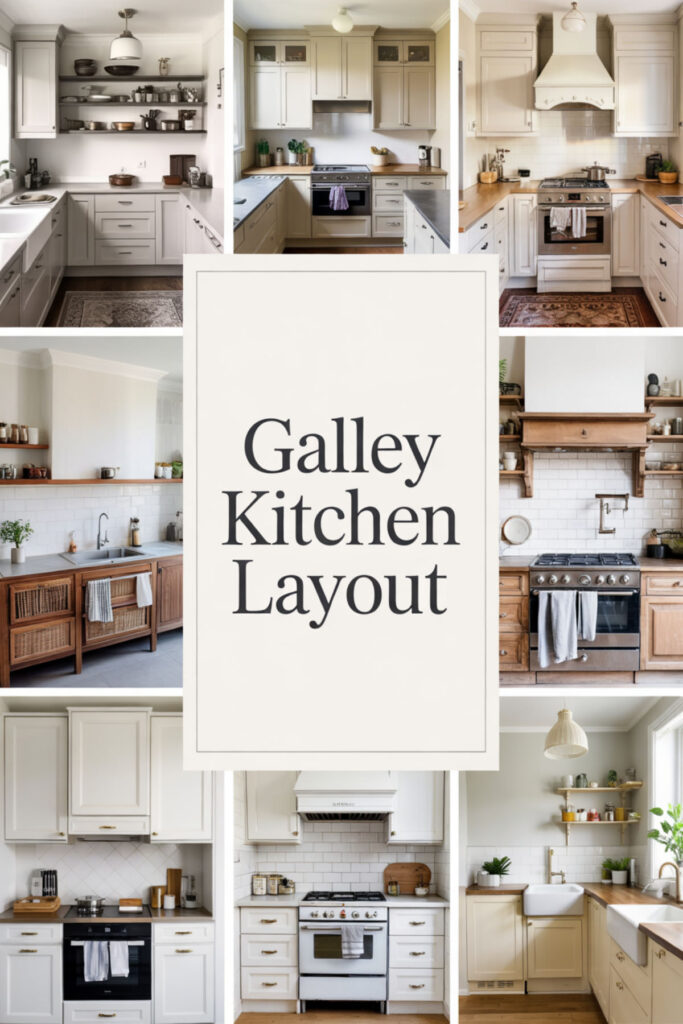
The galley kitchen layout naturally creates two distinct walls – perfect for separating adult and toddler zones. Dedicate one low drawer on the “safe” side (away from stove) exclusively for toddler snacks. Use divided organizers inside so everything has a spot. Label with pictures, not words.
The narrow galley means you can supervise snack selection from anywhere in the kitchen. This linear layout prevents the circular running that happens in open kitchens. I really recommend these bamboo drawer dividers that adjust as snack preferences inevitably change hourly.
Small U Shaped Kitchen With Central Snack Station
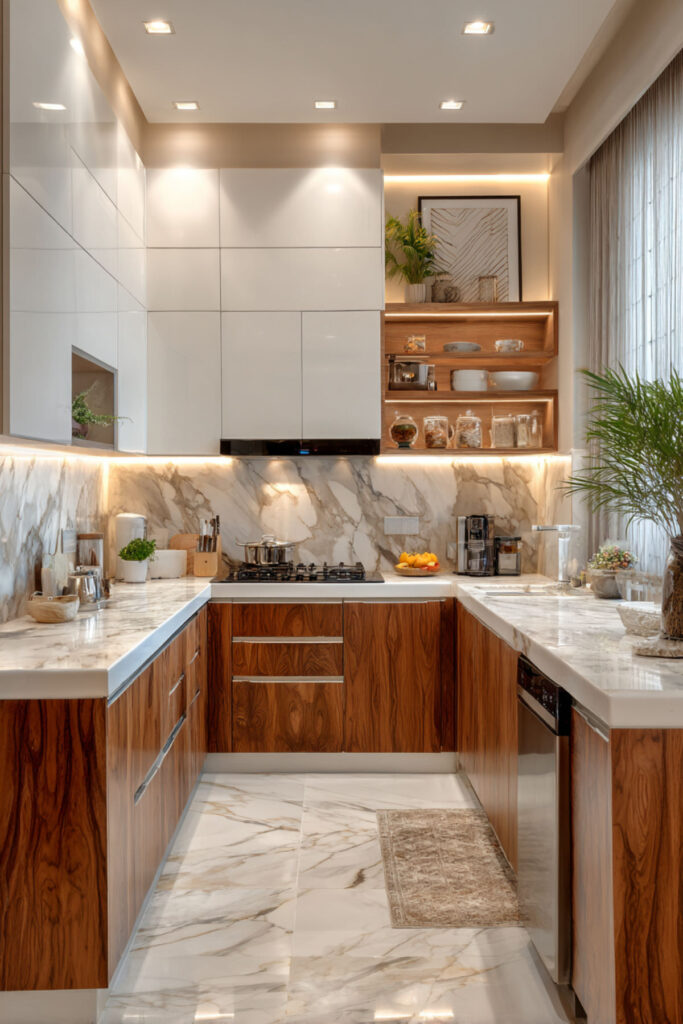
A small u shaped kitchen creates a natural alcove perfect for snack operations. Place a small step stool in the center where toddlers can safely reach designated shelves. The U-shape means they’re contained on three sides – less wandering with food. Install magnetic locks on surrounding cabinets while leaving the snack zone accessible.
This configuration keeps little ones in sight from any kitchen position. The contained space reminds us of those play kitchens kids love, but functional for real snacking.
Kitchen Zone Design for Independent Toddler Access
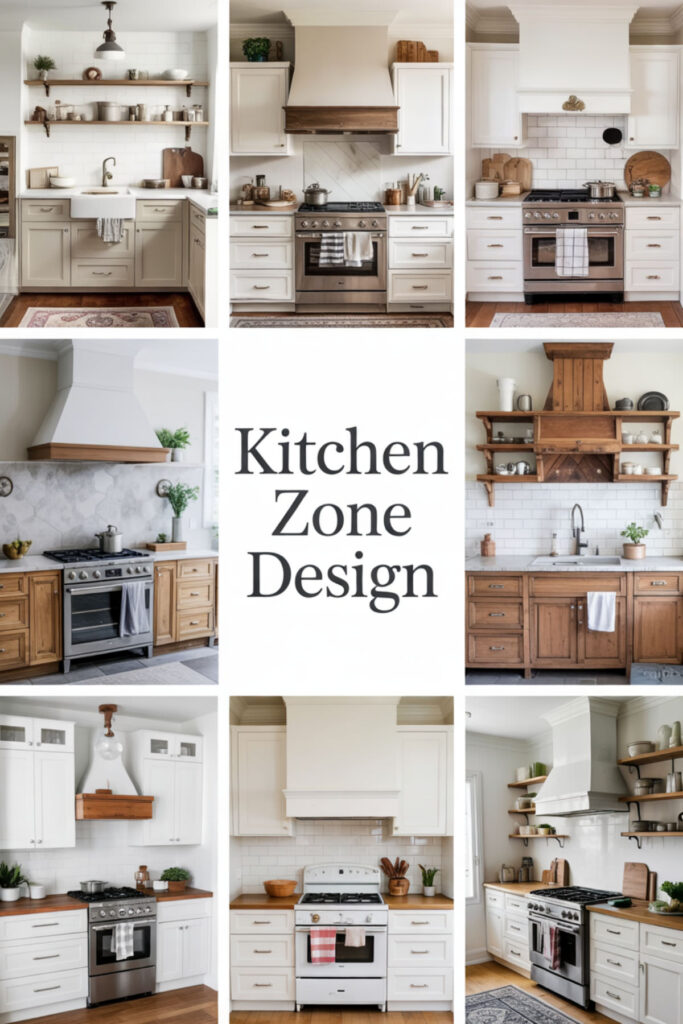
Implement kitchen zone design that clearly separates toddler-safe areas from off-limits zones. Use color-coding: green bins for “yes” foods, everything else stays high or locked. Create a complete snack zone with plates, cups, napkins all at toddler height.
This independence reduces the constant “I need!” demands. Position the zone where natural light helps them see choices clearly. Some parents worry this enables grazing – but controlled access actually teaches better boundaries than constant prohibition. The zones evolve as kids grow and earn more privileges.
Peninsula Layout With Snack Bar Seating
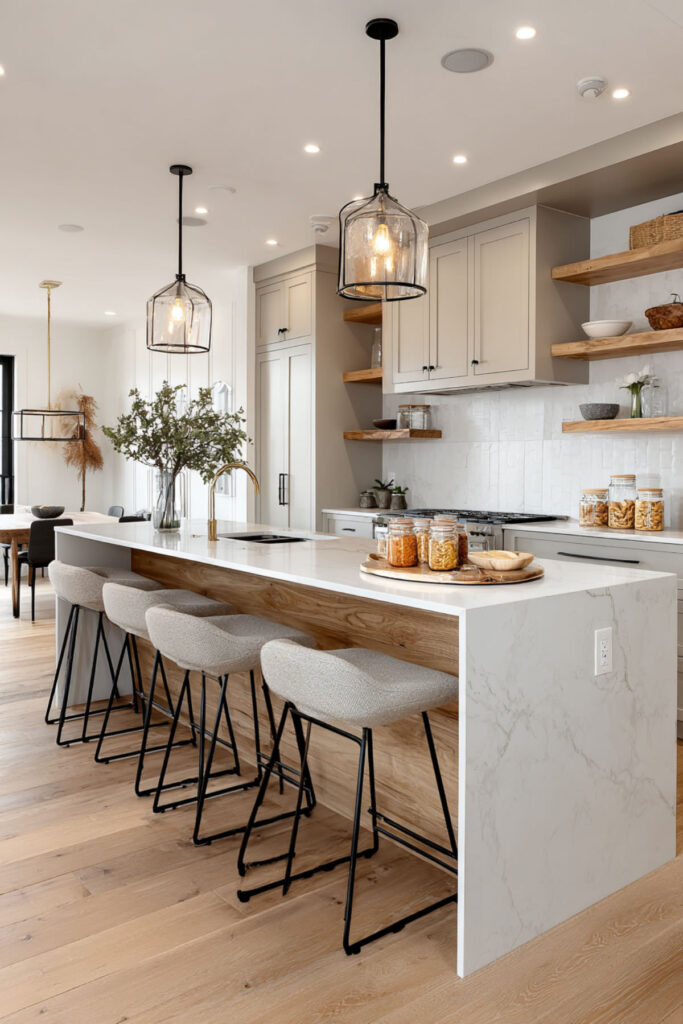
A small kitchen with peninsula layout creates perfect snack bar seating at toddler height. Install a lower rail or footrest so tiny legs aren’t dangling. The peninsula backs provide storage for snack supplies while the front stays clear for eating. This contained eating area means less wandering with food (and fewer crumb trails).
Position stools that can’t tip easily but allow independent climbing. The peninsula divides kitchen from living space while maintaining supervision. I really recommend these adjustable-height stools that grow with your toddler.
Optimize Space With Vertical Snack Storage

When dealing with tiny kitchen layout constraints, optimize space vertically for snack organization. Install a pegboard at toddler eye-level with hanging baskets for different snacks. Use wall-mounted dispensers for cereal and crackers – portion control built in. Magnetic strips hold small containers of raisins or nuts (if age-appropriate).
This vertical approach keeps counters clear while maintaining accessibility. The visual display reduces “what can I have?” negotiations – they can see everything available. This system works even in the smallest condo kitchen setups.
Built In Banquette With Hidden Snack Storage

A built in banquette does double duty as seating and secret snack headquarters. The bench storage underneath holds bulk supplies while keeping daily portions accessible in side pockets. The contained seating means snacks stay at the table, not throughout the house.
Add a small table that’s easy to wipe down approximately 47 times daily. The banquette creates a defined eating nook even in open concept spaces. This solution particularly shines in small cottage kitchen layouts where every piece needs multiple functions.
Corner Kitchen Layout Maximizing Dead Space
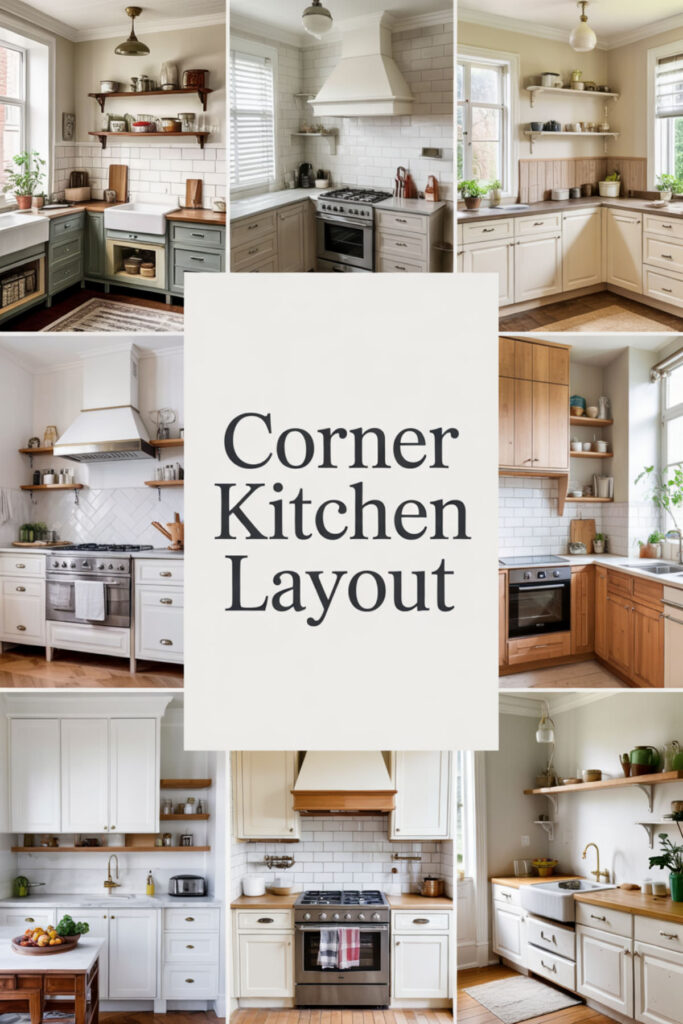
Transform that awkward corner kitchen layout into snack station gold. Install a lazy Susan in the corner cabinet at toddler height – snacks rotate to them like a buffet. The corner position keeps the snack zone contained and slightly separate from main prep areas.
Use the walls meeting at the corner for schedules and visual menus showing snack options. This often-wasted space becomes highly functional for little ones. I really recommend this kidney-shaped lazy Susan that maximizes corner access without sharp edges.
Functional Kitchen Island for Snack Central

Even in small spaces, a functional kitchen island can revolutionize snack time. Choose a narrow island on wheels with storage below and eating surface above. The mobility means it can shift for different activities or move completely for floor cleaning (because goldfish multiply exponentially). Install hooks on the ends for bibs and cleanup cloths.
The island height works perfectly for standing toddlers or bar stool sitting. This piece grows from snack station to homework spot to actual cooking prep as kids age.
Small Apartment Kitchen Layout With Fold-Down Solutions

Small apartment kitchen ideas layout often involves furniture that disappears. Install a fold-down table at toddler height that becomes their snack spot when deployed, wall art when folded. Add a magnetic board above for displaying today’s snack choices. Use command strips for lightweight baskets that hold napkins and utensils.
Everything stores flat when not needed. This approach works brilliantly in studio apartments where the kitchen is also the everything room. The fold-away nature means adult dinner parties don’t scream “toddler lives here.”
Long Narrow Kitchen Layout With Snack Runway
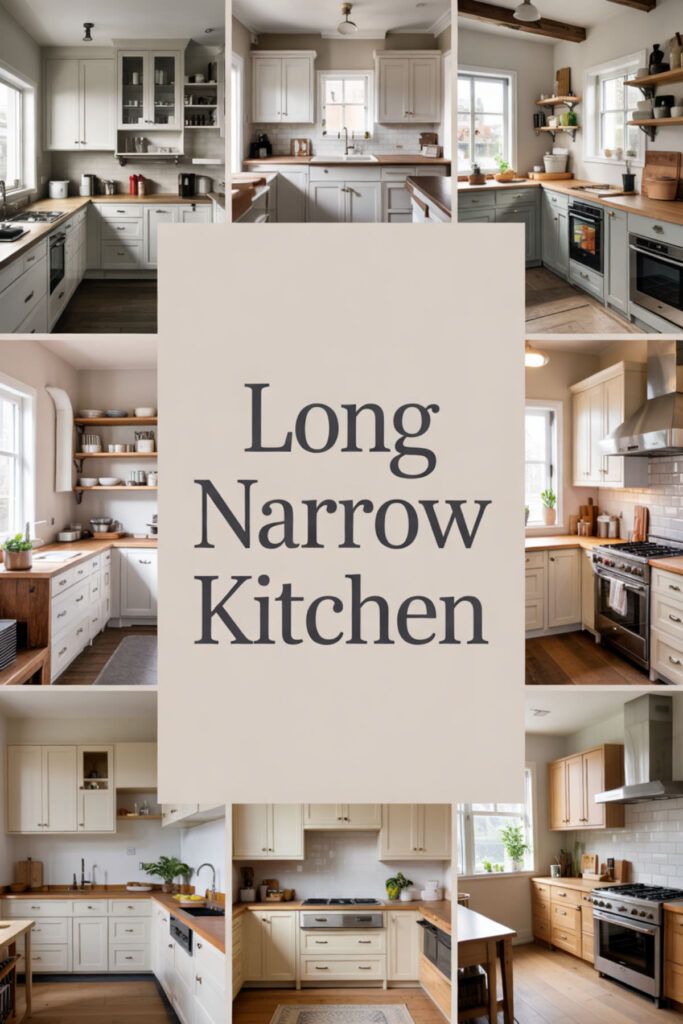
A long narrow kitchen layout creates a natural “runway” perfect for setting up snack stations along one wall. Install a low shelf running the length for different snack categories – fruits here, crackers there, drinks at the end.
The linear arrangement teaches sequence: get plate, choose snack, sit down. Use the opposite wall for adult-height storage. This bowling alley layout actually prevents kitchen traffic jams common with toddlers underfoot. The length provides space for multiple kids to choose snacks without crowding.
Work Triangle Modified for Toddler Safety
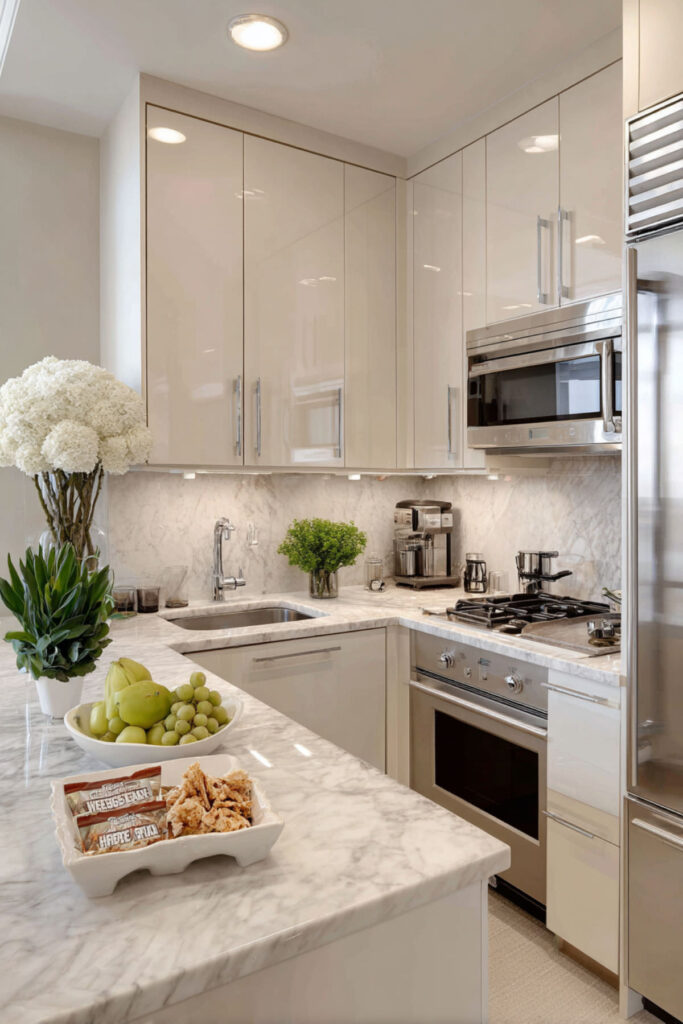
Adapt the classic work triangle to include a toddler snack point that doesn’t interfere with cooking danger zones. Position snack storage opposite from stove, creating a separate toddler triangle: snack drawer, sink for handwashing, table for eating. This keeps little ones away from hot surfaces while maintaining kitchen flow.
Use different flooring textures to define zones – maybe a washable rug in the snack area. The modified triangle means less collision between meal prep and snack demands. I really recommend these interlocking foam tiles that cushion falls but clean easily.
Simple Kitchen Plans With Clear Boundaries

Sometimes simple kitchen plans work best with toddlers. Define clear physical boundaries using furniture placement: a small table blocking access to certain areas, a gate that sections off the stove zone during cooking. Simple doesn’t mean sparse – it means obvious. Use consistent storage: all snacks in blue bins, all off-limits items up high.
The clarity reduces negotiations and tantrums. This approach particularly helps in kitchen dining room combo layouts where boundaries blur naturally. Adding a freestanding stainless steel dishwasher drawer ensures cleanup stays simple and efficient, keeping adult tasks separate from kid zones.
10×10 Kitchen Layout Maximizing Every Inch
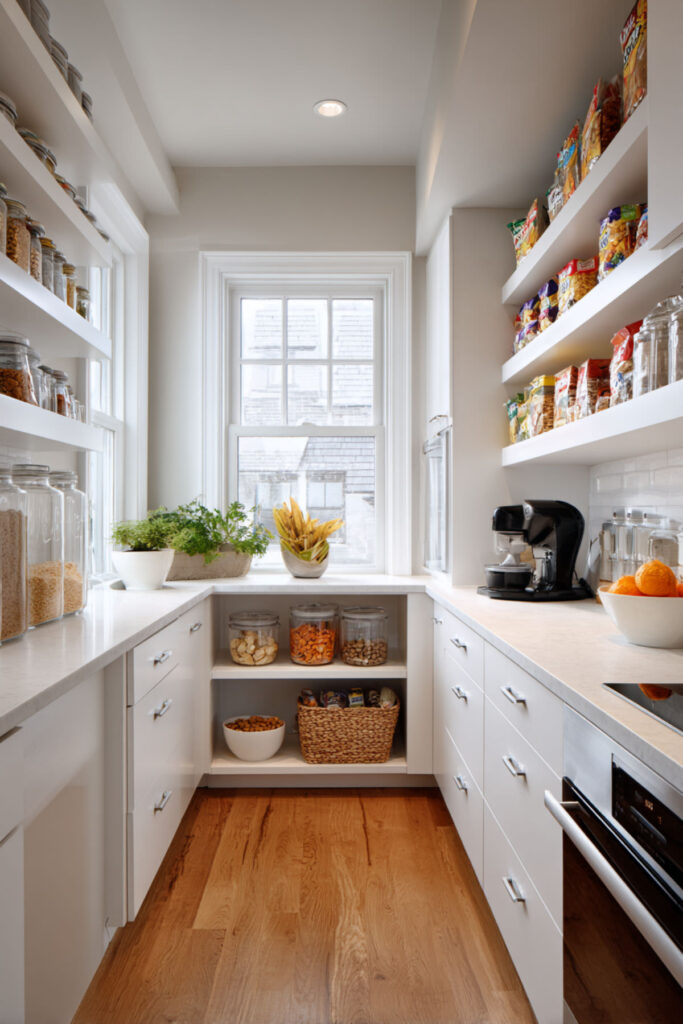
That standard 10×10 kitchen layout might seem impossible with a toddler, but strategic planning makes it work. Dedicate one base cabinet exclusively to toddler items – snacks, plates, cups. Install drawer organizers that prevent the excavation-style searching toddlers love.
Use cabinet doors for additional storage with mounted baskets. Every inch needs double duty. The compact size actually helps – less distance for carrying (and dropping) snacks. Focus on vertical storage to free floor space for the inevitable toy creep.
Modern Kitchen Layout With Tech-Smart Solutions

Embrace modern kitchen layout ideas that incorporate toddler-safe technology. Motion-sensor lights in the snack cabinet prevent fumbling. Magnetic locks on forbidden cabinets that release with a hidden button. A timer they can set themselves for snack time intervals. Video monitor positioned to watch the snack zone while you cook.
These small tech additions reduce friction during peak chaos times. The modern approach doesn’t mean cold – it means smart solutions for real problems, like pairing these upgrades with a touchless stainless steel kitchen faucet that adds both hygiene and convenience.
Open Concept Kitchen Living Room Layout Small House Solutions
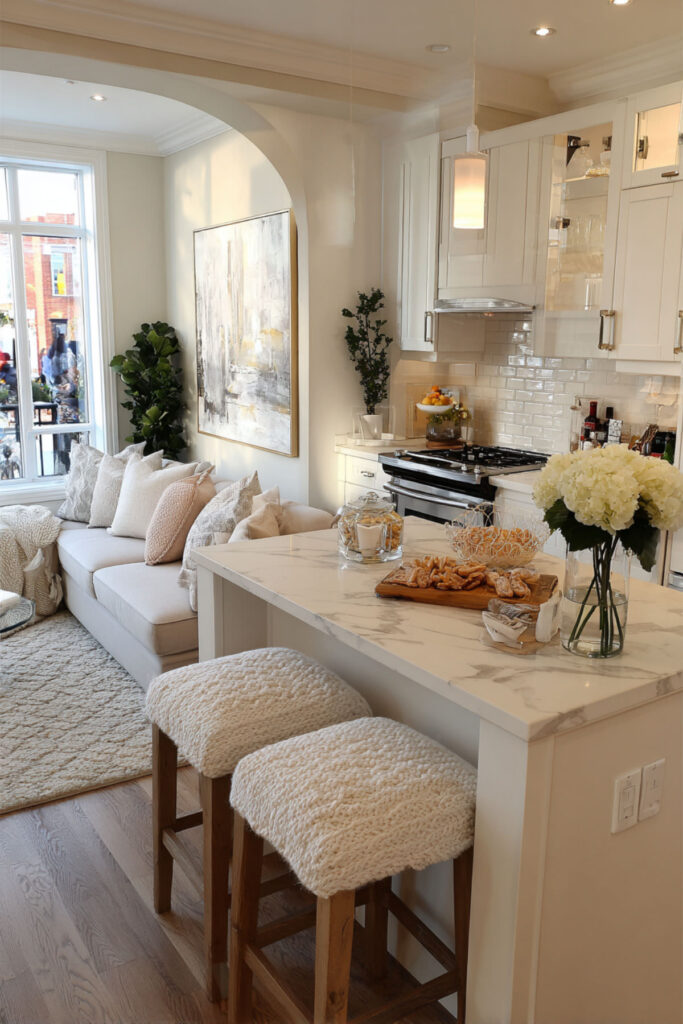
An open concept kitchen living room layout small house requires creative snack boundaries. Use a low bookshelf as a divider that holds snacks on the kitchen side, toys on the living side. The open sight lines mean constant supervision while maintaining defined eating areas. Position snack storage where it’s accessible from both spaces but creates a natural pause point.
This prevents the grazing-while-playing that leads to mysterious sticky spots everywhere. I really recommend this cube organizer that works as both boundary and storage, especially when combined with a countertop convection oven that saves space and keeps meals quick in a small house setup.
Making Small Kitchens Work for Toddler Life
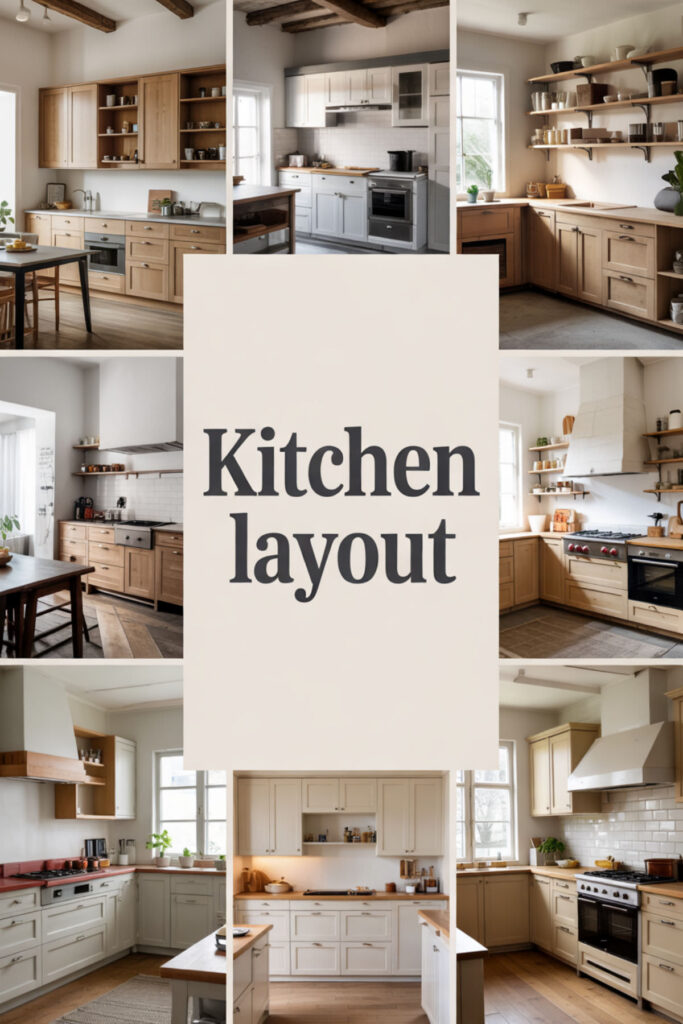
Your small kitchen during toddler years won’t win design awards, and that’s perfectly fine. These layout strategies reduce the friction that turns snack time into battle time. The key is accepting that toddler-friendly doesn’t mean surrendering entirely to chaos – it means strategic organization that acknowledges reality while maintaining some sanity. Check out these calm kitchen décor ideas designed for moms with toddlers who need clutter-free snack zones that actually work.
Start with your biggest snack-time pain point. Maybe it’s the climbing, the constant requests, or the crumb explosion. Address that first with a layout tweak that makes life easier for everyone. Want more survival strategies for small spaces with small humans? Check out our guides for toddler-proof living rooms that still look adult-ish, or bathroom organization that survives potty training.
Save these layout ideas for when you have energy to implement them (naptime, if you’re lucky). Remember, the best small kitchen layout with toddlers is the one that prevents meltdowns – theirs and yours. Every adjustment that reduces snack-time stress is worth celebrating, even if it means your kitchen temporarily looks like a snack shop. These extras might surprise you — save your favorites so you can return to them.

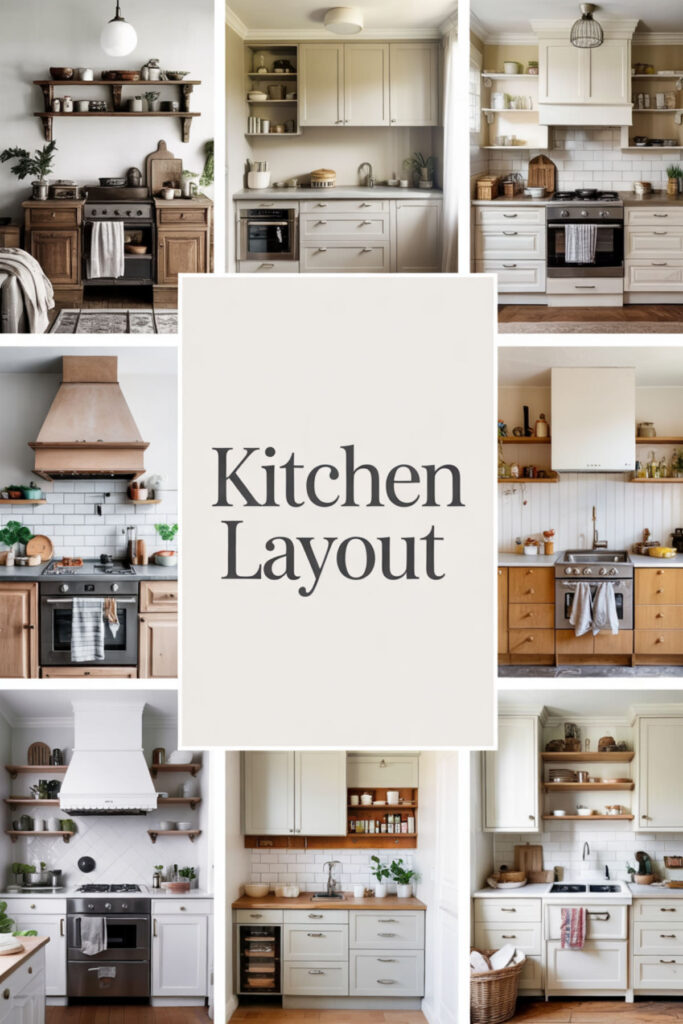

If these ideas spoke to you, wander through my site for even more dreamy bedroom inspiration.