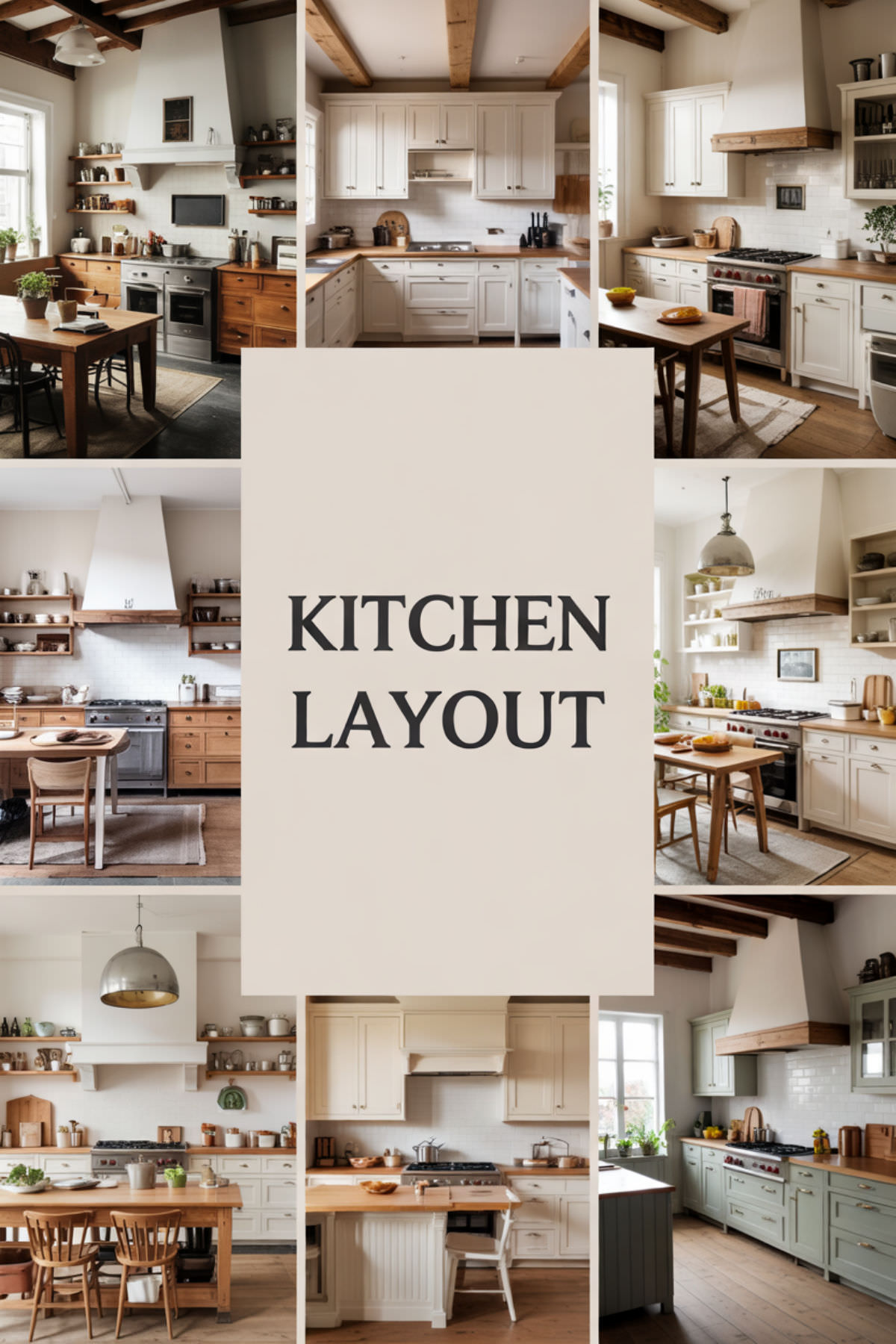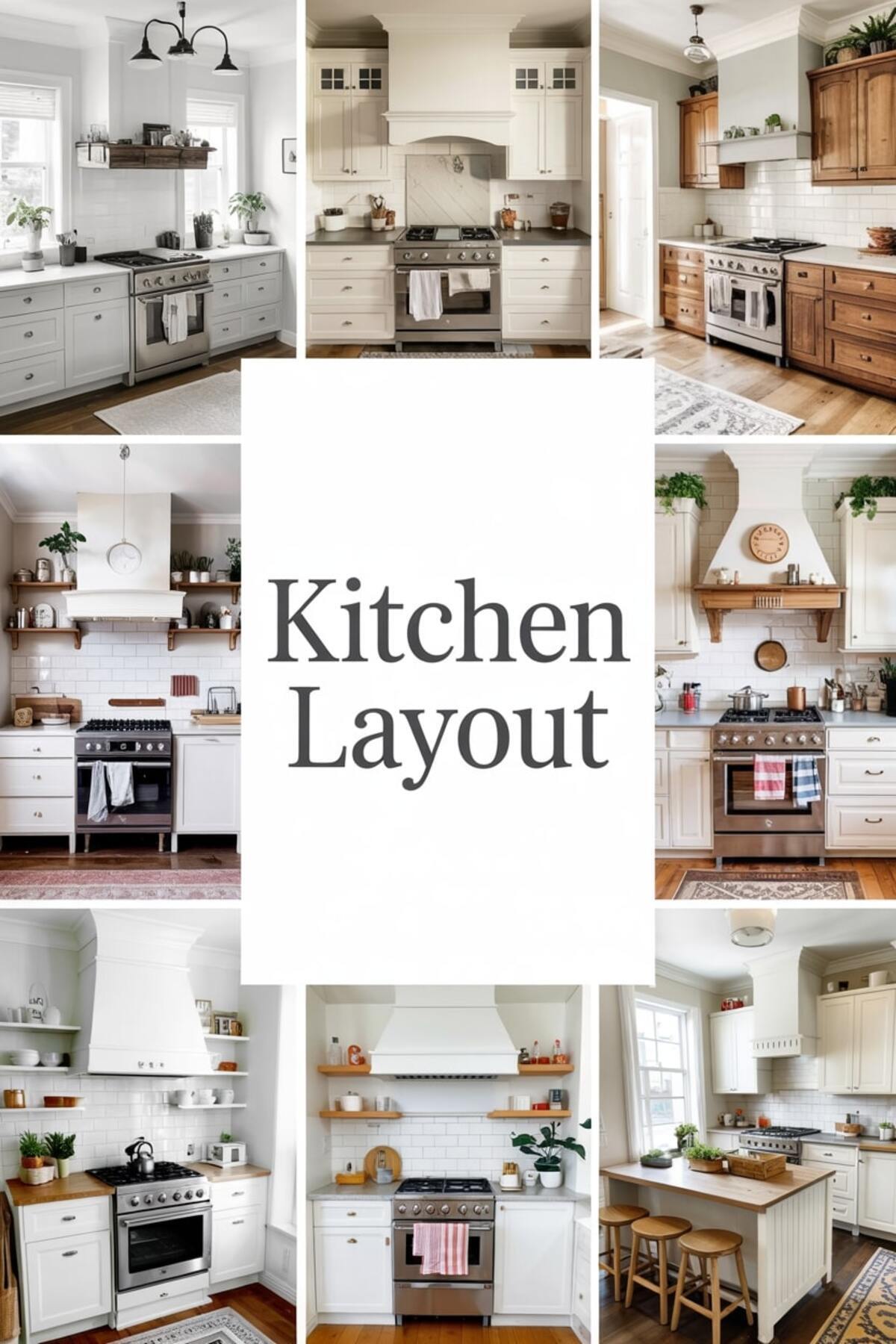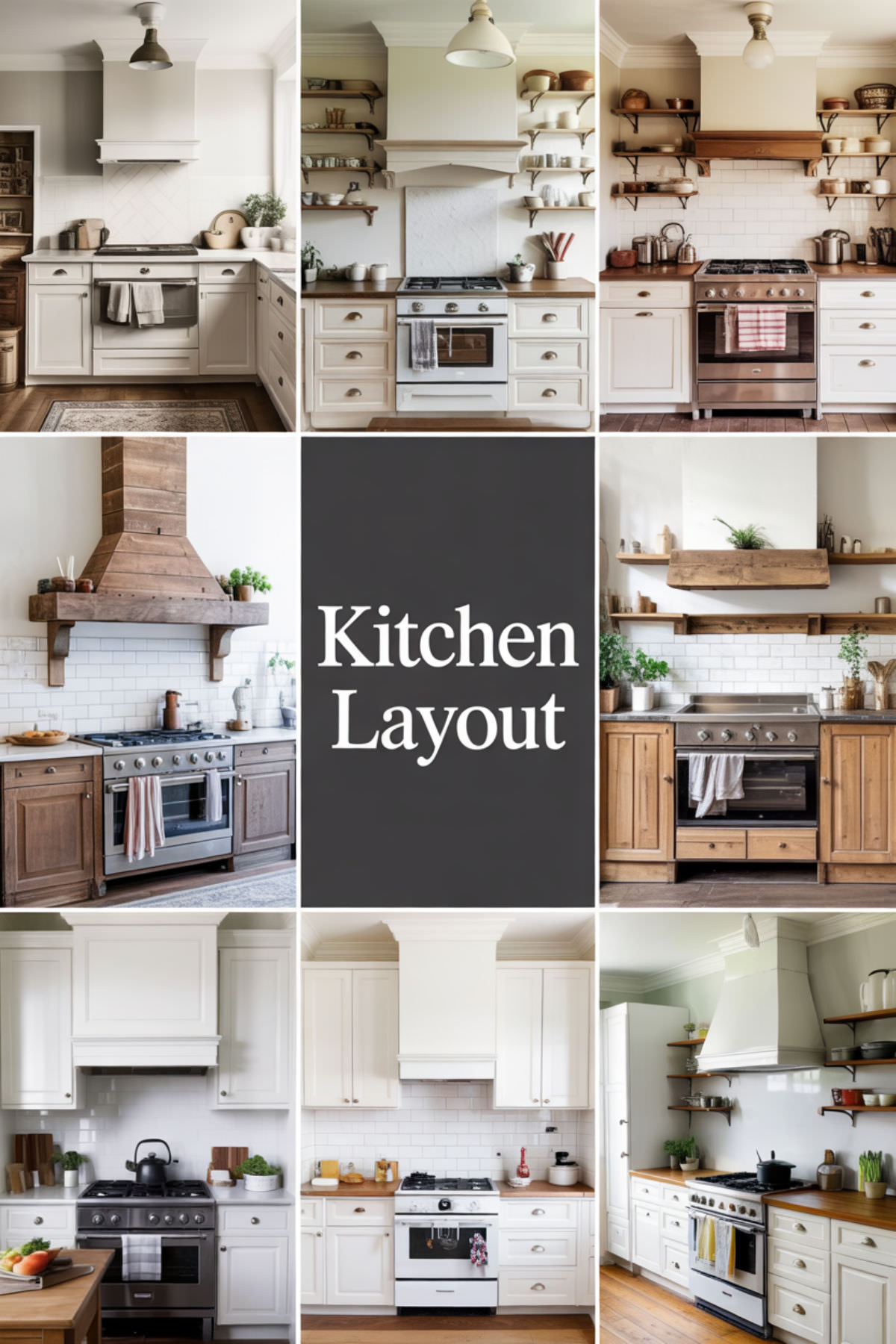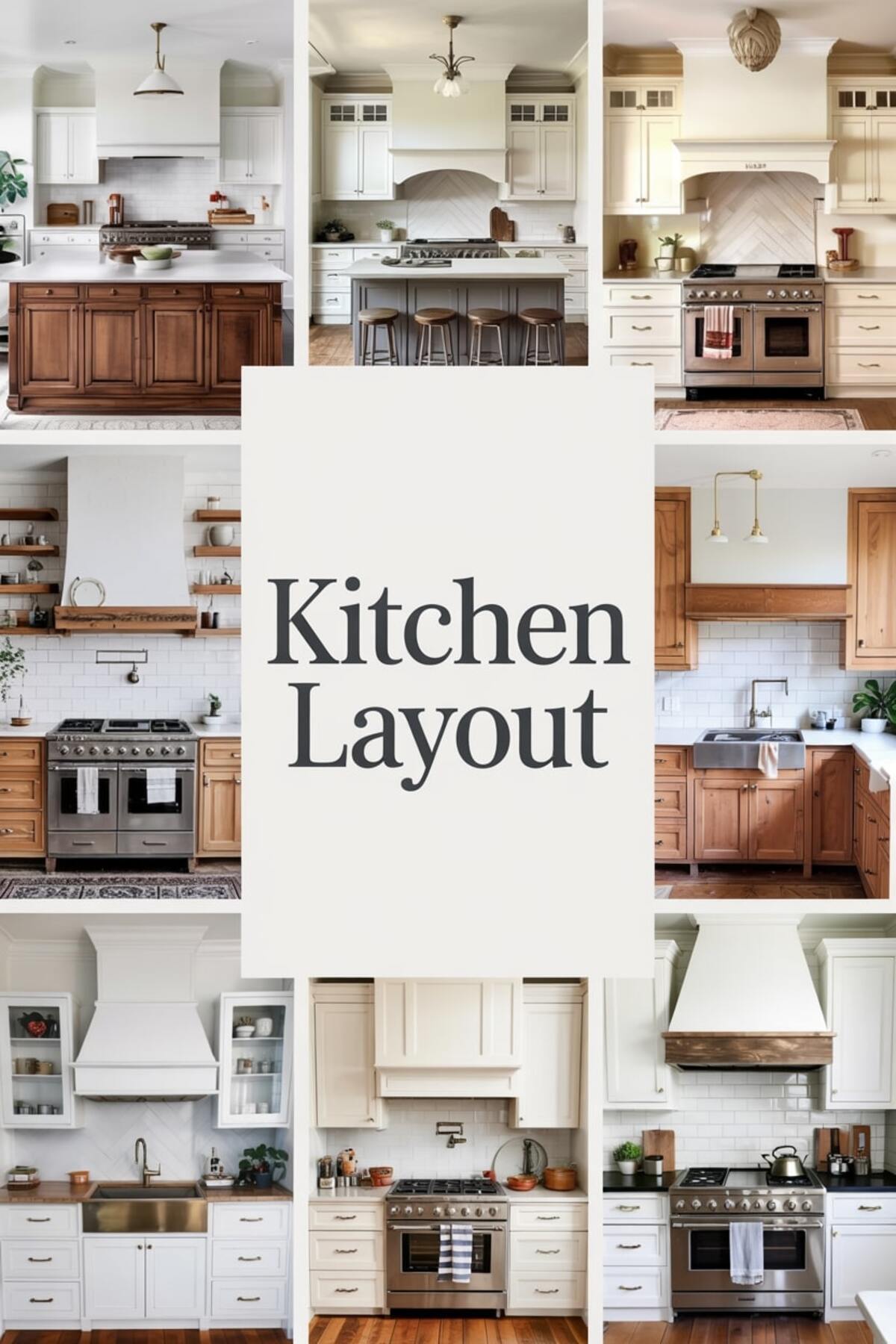
When Margaret walked into her kitchen at 4 AM during another hot flash-induced wake-up, the harsh overhead lights and cluttered counters felt like an assault on her already frazzled nervous system. The kitchen layout that served her family for decades now felt like an obstacle course during brain fog mornings, with essential items scattered across different zones and nowhere comfortable to sit while waiting for the dizziness to pass. Your kitchen during menopause needs to work differently – supporting your body’s new rhythms rather than fighting against them.
These layout ideas recognize that menopause changes how you move through space, how light affects you, and what comfort really means. We’ve included thoughtful recommendations for creating a kitchen that supports rather than stresses you during this transition.
Save these for when you have energy to implement changes – no rush, no pressure. Browse our other guides for creating hormone-friendly spaces throughout your home, because this need for calm shouldn’t stop at the kitchen door. I’m not giving scientific claims — just décor ideas, some built on fictional scenes.
L Shape Kitchen Layout for Gentle Morning Flow
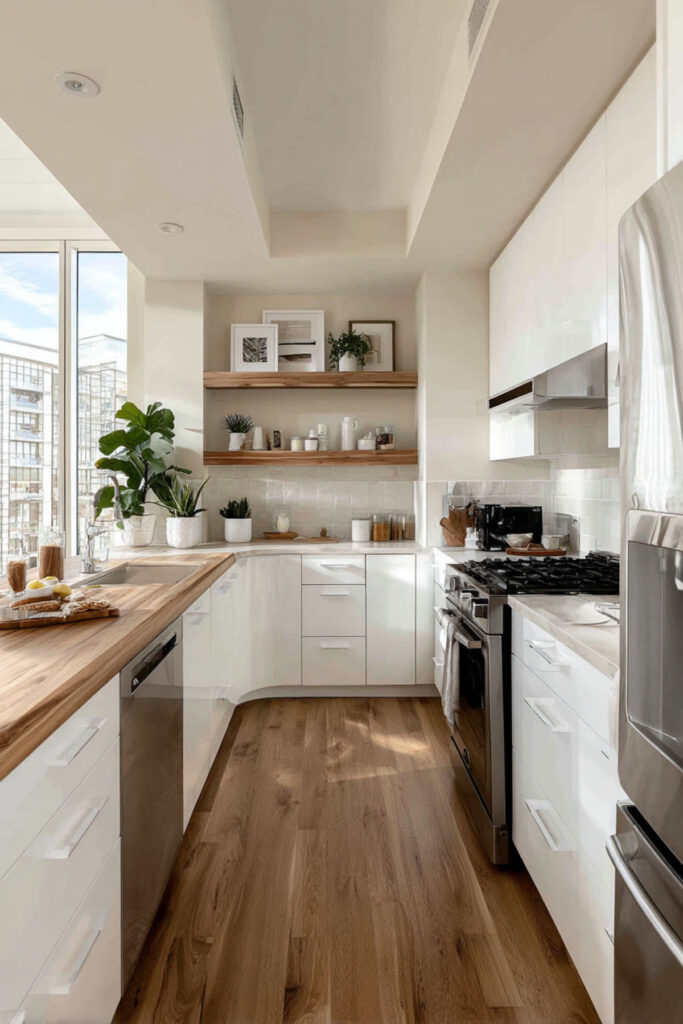
An l shape kitchen layout creates natural flow patterns that reduce decision-making during foggy mornings. Position your morning essentials – coffee, supplements, water – along the shorter leg, creating a compact morning ritual zone. The corner becomes a natural pause point where you can lean and breathe during dizzy spells.
No crossing the room multiple times when energy is low. The L-shape allows different lighting zones: bright for tasks, soft for morning transition. This configuration reminds us of those spa treatment rooms where everything flows intuitively. I really recommend this motion-sensor under-cabinet lighting that won’t assault sensitive eyes.
Open Concept Kitchen for Air Flow and Light

An open concept kitchen living room layout becomes crucial when hot flashes demand immediate air circulation. Remove upper cabinets where possible to increase air flow and reduce that trapped feeling. The openness allows you to move freely when restlessness strikes, no confined spaces triggering claustrophobia.
Position a comfortable chair in sight line of kitchen tasks – sometimes you need to sit suddenly. Natural light from multiple directions helps regulate circadian rhythms disrupted by hormones. The visual expansion reduces that overwhelming feeling when everything seems too much.
Kitchen Zone Design for Energy Management
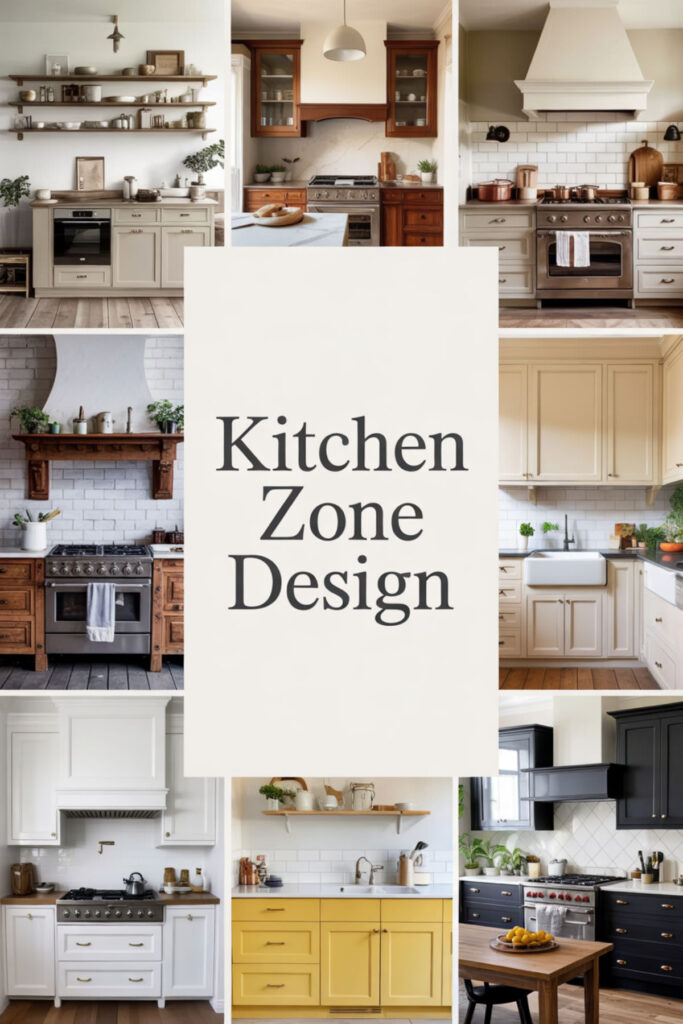
Create kitchen zone design based on energy levels throughout the day. Morning zone: everything for the first hour within arm’s reach of one spot. Afternoon zone: meal prep when energy might return. Evening zone: minimal cleanup area for when exhaustion hits.
This separation means not traversing the entire kitchen when you can barely stand. Each zone has appropriate lighting – gentle for morning, brighter for cooking, dimmable for evening. Some think this seems excessive, but when standing feels monumental, every saved step matters.
Island With Seating for Supportive Moments

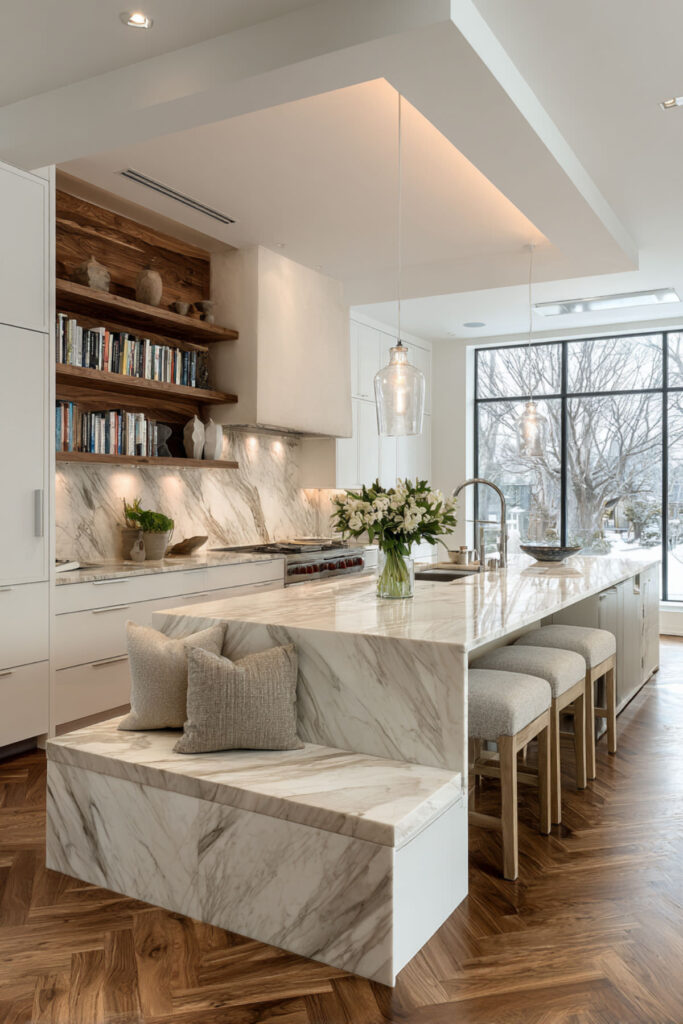
Your island with seating should accommodate sudden needs to sit. Choose stools with backs and arms – stability matters when balance fluctuates. The island height allows working while seated when standing feels impossible. Install a footrest rail for better circulation. Keep the island surface clear except for beautiful, calming elements.
This becomes your command center where you can prep while seated, eat when dining rooms feel too far, or simply pause when needed. I really recommend these cushioned stools with lumbar support that swivel for easy movement.
Galley Kitchen Layout for Minimal Movement

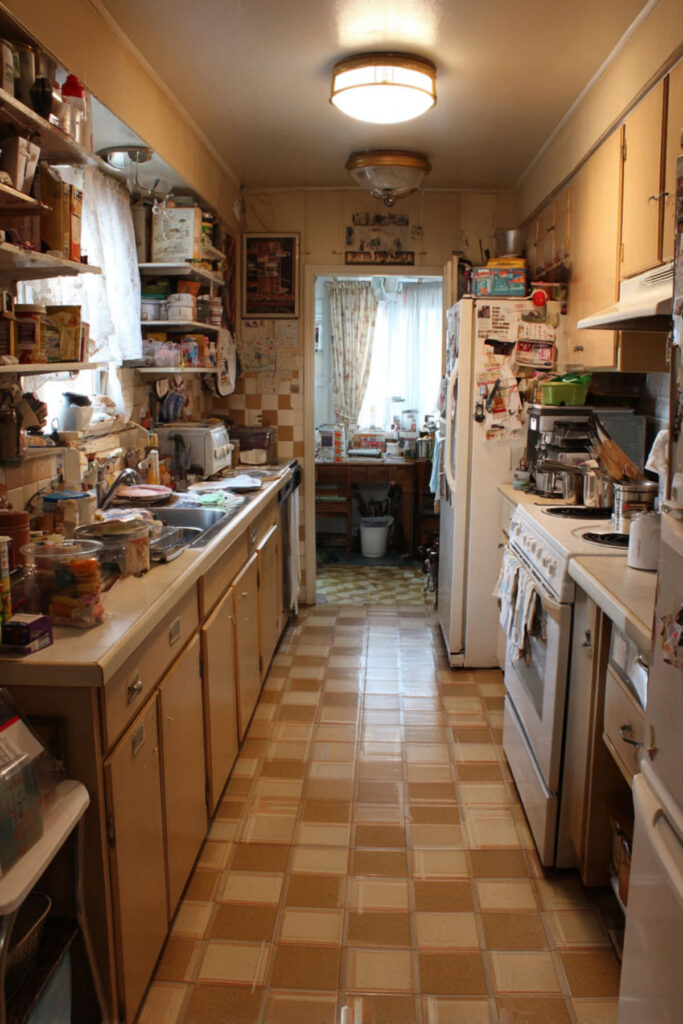
A galley kitchen layout minimizes the distance between essential points – perfect when every step requires effort. Everything happens in a straight line: fridge to counter to stove to sink. Install grab bars disguised as towel racks for discrete support during dizzy moments. The narrow space means counters on both sides for leaning support.
Add anti-fatigue mats along the entire length for joint comfort. This tunnel-like configuration might feel confining to some, but during menopause, the containment can feel supportive rather than restrictive.
U Shaped Kitchen Layout for Surrounded Support

A u shaped kitchen layout surrounds you with surfaces for support and storage, reducing reaching and bending. Everything stays at comfortable heights – no deep squatting for pans or stretching for dishes. The U-shape creates a cocoon effect that feels protective during vulnerable mornings.
Position frequently used items at chest height to avoid blood pressure changes from bending. Multiple counter surfaces mean always having somewhere to steady yourself. This layout particularly helps during those days when spatial awareness feels off.
Built-In Banquette for Rest Points
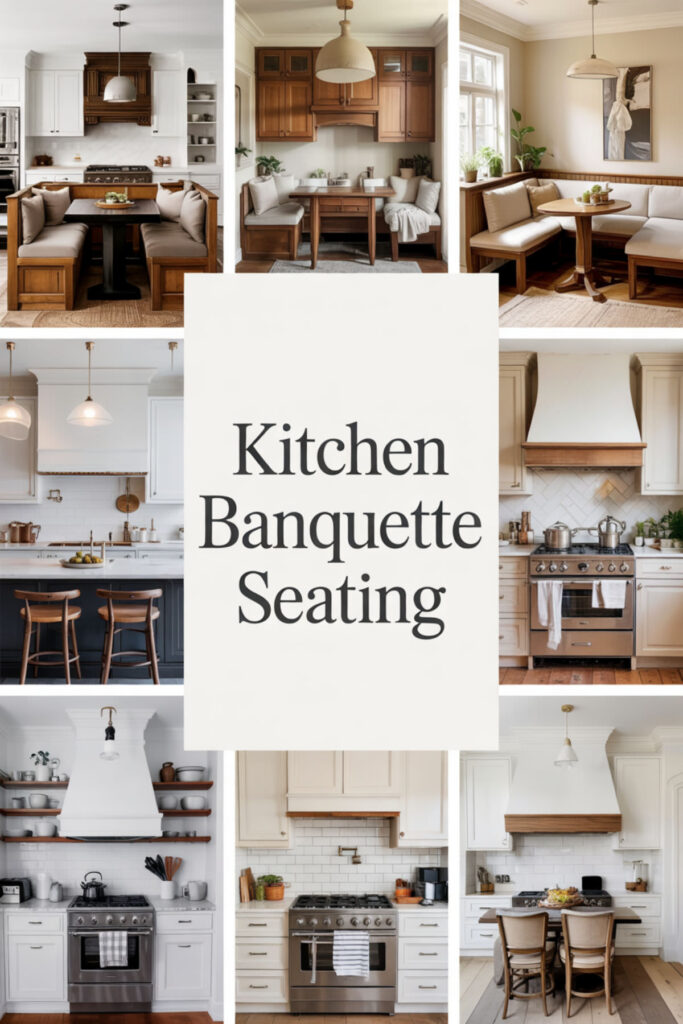
A built-in banquette provides essential rest points throughout kitchen tasks. Position it where you can supervise cooking while seated. The built-in nature means it won’t shift when you need support sitting or standing. Add cushions that regulate temperature – cooling gel or breathable fabrics.
Storage underneath holds supplements, medications, and morning essentials. This spot becomes crucial during those “need to sit NOW” moments that menopause brings. The defined seating area gives permission to rest without feeling like you’re giving up.
Single Wall Kitchen Layout for Simplicity
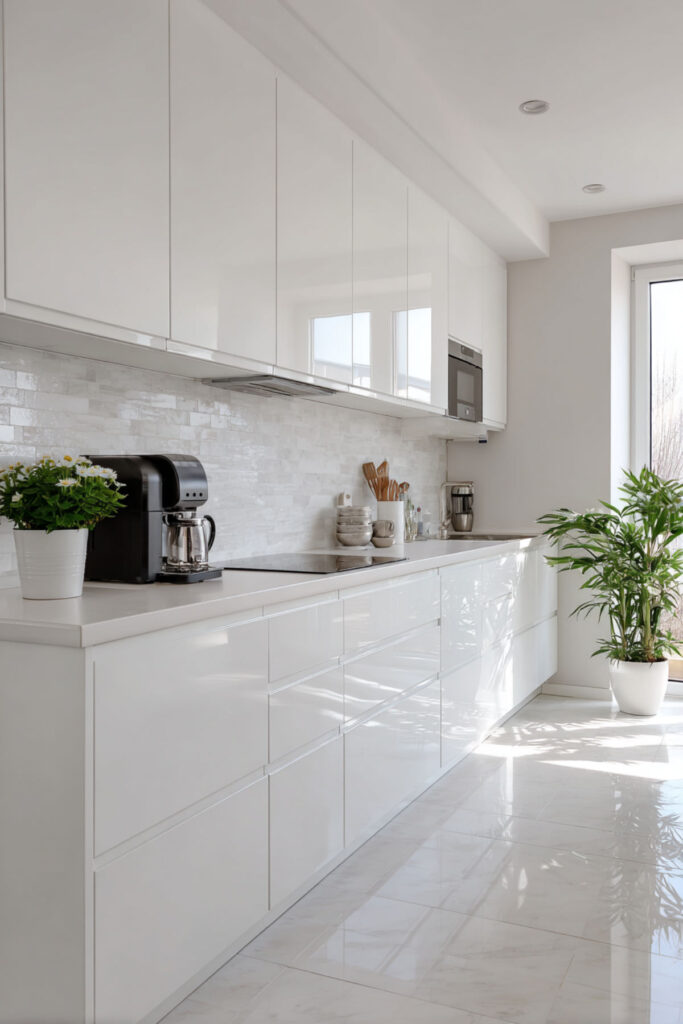
A single wall kitchen layout eliminates confusion during brain fog episodes. Everything lines up logically: storage, prep, cook, clean. No wondering which direction to turn or getting disoriented in corner configurations. This linear approach reduces decision fatigue when everything already feels overwhelming. Mount everything on the wall – magnetic knife strips, hanging racks, wall-mounted spice storage – keeping counters completely clear.
The simplicity feels merciful when cognitive function fluctuates. I really recommend these magnetic spice containers that stick to the backsplash for easy visibility, and pairing the setup with a wall-mounted stainless steel range hood that keeps the air fresh without cluttering the design.
Kitchen With Peninsula Layout for Flexible Support
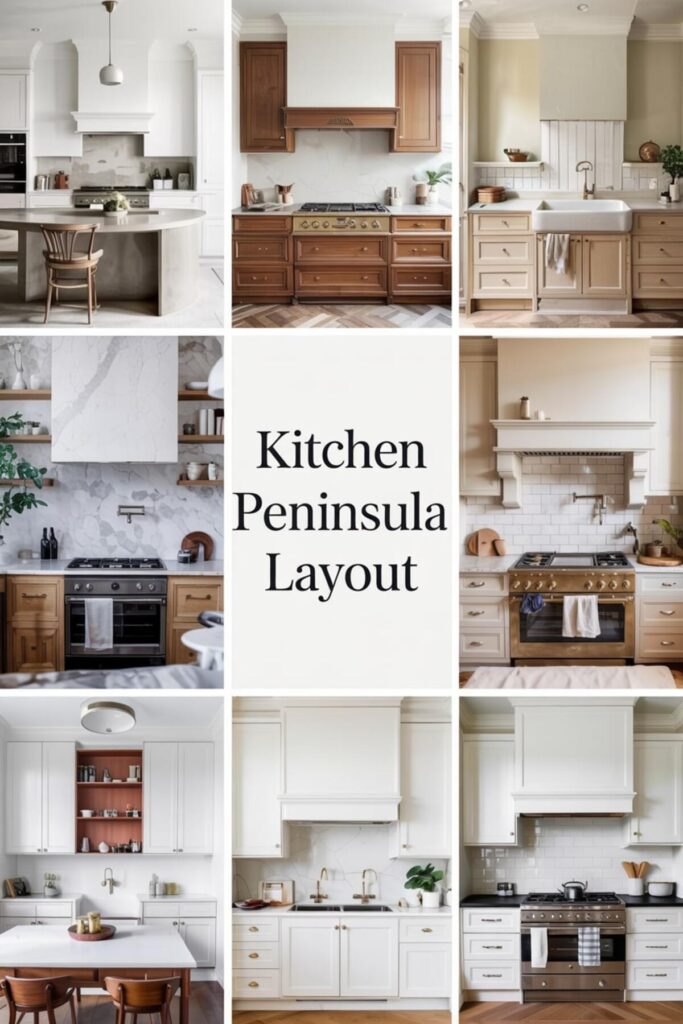
A kitchen with peninsula layout offers multiple support surfaces while maintaining openness. The peninsula provides a natural lean-point during standing tasks while allowing seated work on the other side. Use the peninsula back for storing morning supplements and medications – visible reminders in pretty containers.
The partial separation creates zones without isolation, important when anxiety spikes unpredictably. Peninsula seating works for those mornings when sitting at a proper table feels too formal or far, especially when complemented by a compact under-counter beverage cooler that adds both convenience and style.
Minimalist Layout for Visual Calm
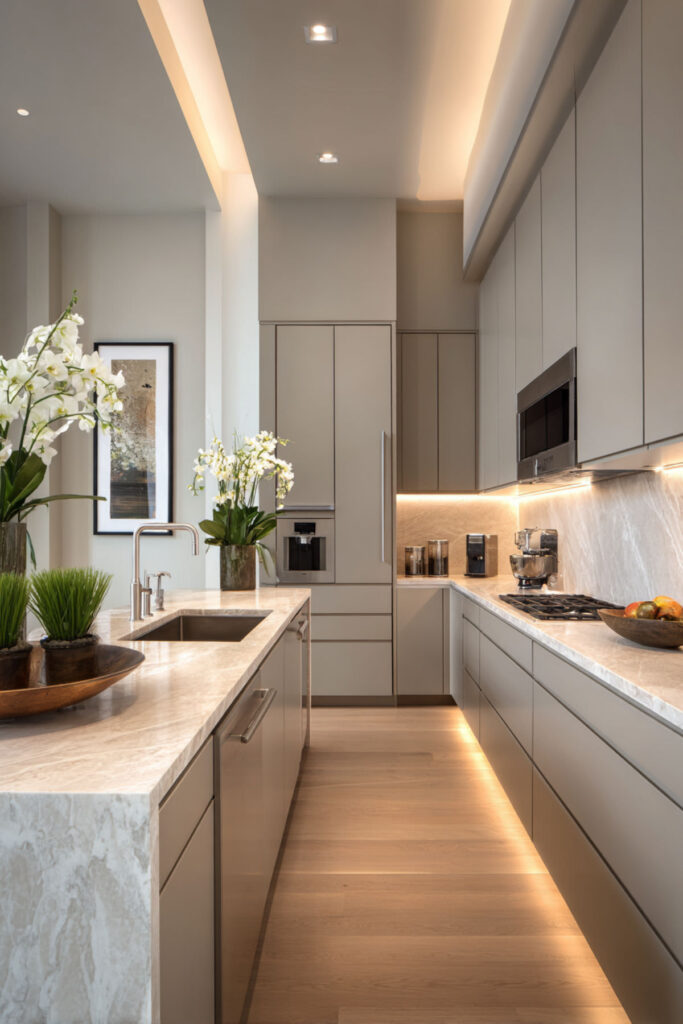
A minimalist layout reduces visual stimulation when sensory overload is common. Clear counters except for one beautiful bowl, one perfect plant. Handleless cabinets create clean lines that don’t snag clothing or create visual chaos. Everything hidden but organized inside. This isn’t about deprivation – it’s about reducing the visual noise that increases cortisol.
The emptiness feels spacious rather than sparse when you’re already overwhelmed. Focus on quality materials that feel good to touch – smooth wood, cool stone – tactile comfort when everything feels wrong.
Work Triangle Adapted for Changing Needs

Modify the traditional work triangle to accommodate your changing needs. Shorten distances between key points – compact efficiency over sprawling layouts. Add a fourth point for morning supplements/medication station. Position the triangle away from high-traffic areas for undisturbed morning routines.
Include multiple pause points – a stool here, a leaning counter there. The adapted triangle acknowledges that cooking might happen in stages now, with rest breaks between. This isn’t defeat; it’s intelligent adaptation.
Corner Kitchen Layout With Curved Edges
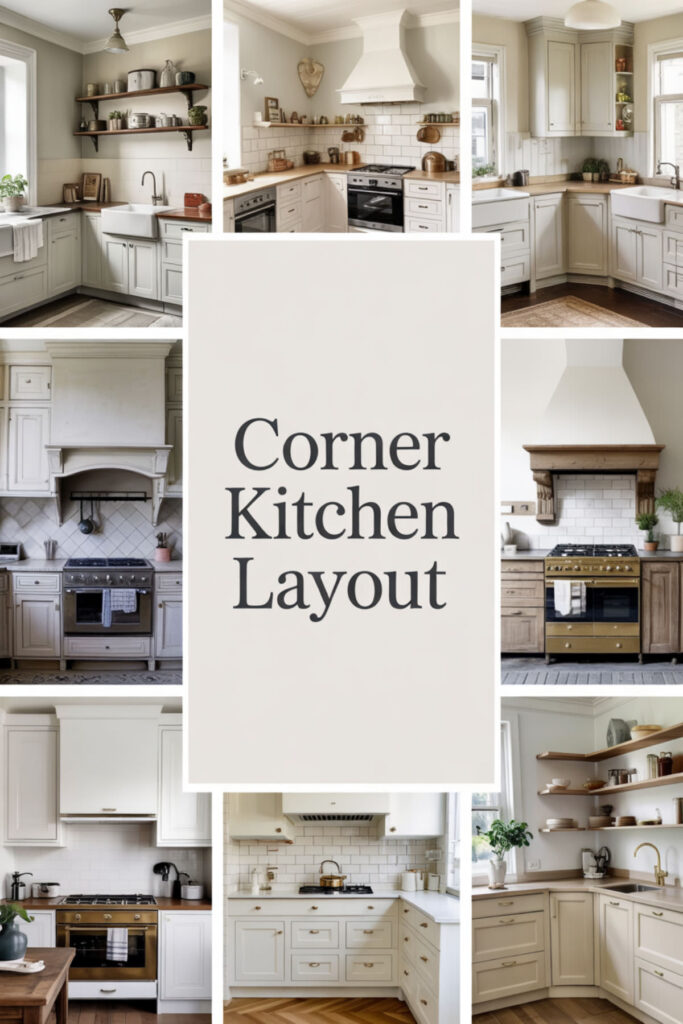
A corner kitchen layout with rounded edges prevents those painful bumps when spatial awareness fluctuates. Soft corners on counters, rounded cabinet pulls, edges that flow rather than jut. The corner configuration creates a natural nook for morning coffee rituals. Use the corner for a small water feature or fountain – the sound soothes anxiety and masks tinnitus.
Transform sharp angles into gentle curves wherever possible. This organic flow feels more natural when your body feels foreign. I really recommend these adhesive corner guards that blend invisibly while preventing bruises.
Small Kitchen Remodel Layout for Aging in Place

Planning a small kitchen remodel layout? Think beyond menopause to aging in place. Install varied counter heights for different tasks and energy levels. Add pull-out drawers everywhere – no deep reaching. Consider a wall oven at chest height to avoid bending.
Wide pathways for potential mobility aids later. These changes support you now and future-proof for continued independence. The investment in comfort pays dividends immediately and long-term.
Functional Kitchen Island as Wellness Hub
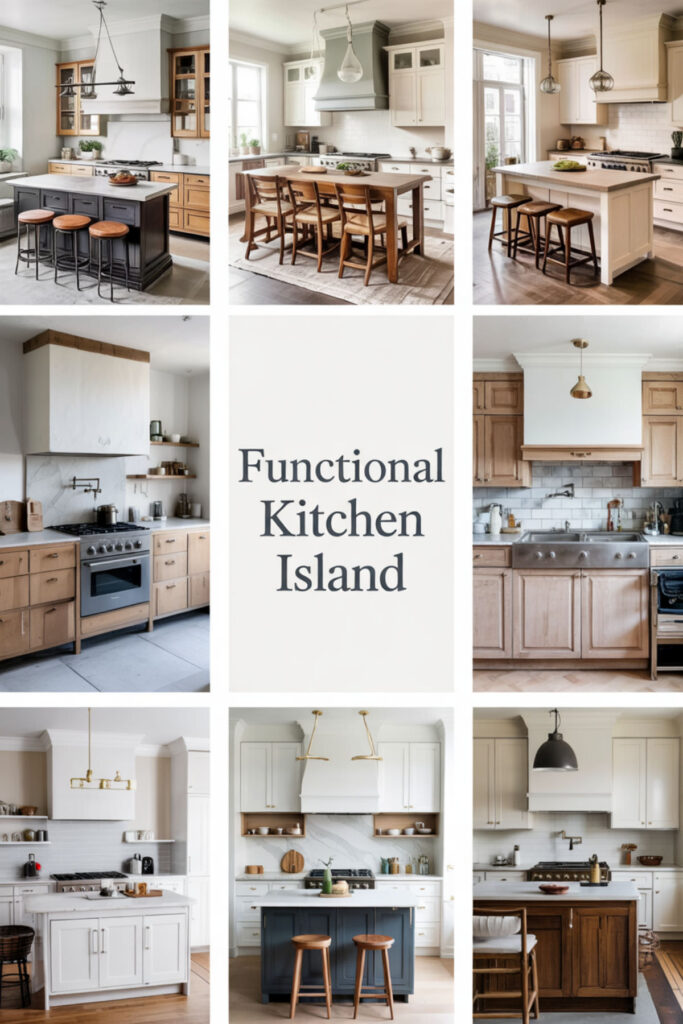
Transform your functional kitchen island into a wellness command center. One section holds supplements organized by time of day. Another stores herbal teas and calming drinks. Include a small sink for quick water access – hydration is crucial for hot flashes.
The island top stays clear except for a beautiful fruit bowl and perhaps fresh flowers. This centralized wellness hub means everything supportive stays visible and accessible. The island becomes about nourishment in the broadest sense.
Kitchen Dining Room Combo Layout for Flexibility
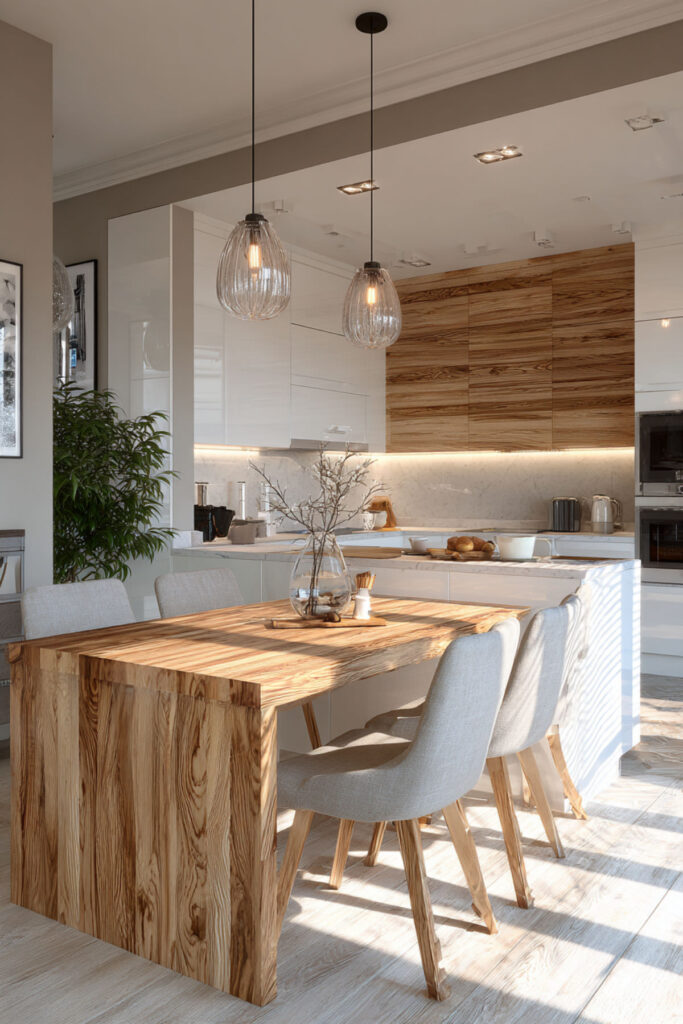
A kitchen dining room combo layout allows flexible use based on daily energy. Formal dining when you feel good, casual counter eating when you don’t. The combined space means less walking between rooms. Use furniture placement to create zones without walls – a console table perhaps, defining spaces while maintaining flow.
The flexibility matters when energy and mood fluctuate unpredictably. This layout eliminates the pressure of formal dining while keeping the option available, especially when paired with a solid wood extendable dining table that adapts easily from everyday meals to larger gatherings.
Optimize Space for Essential Access

In any layout, optimize space for essential access without stretching or straining. Install pull-down shelves in upper cabinets. Add drawer dividers that bring items forward automatically. Use lazy Susans in corners so everything rotates to you. The optimization isn’t about cramming more in – it’s about making what you need effortlessly accessible.
Every accommodation that reduces physical strain also reduces emotional stress. These small modifications accumulate into major quality of life improvements, particularly when supported by a rolling butcher block kitchen island that adds storage, prep space, and flexibility.
Creating Your Menopause-Friendly Kitchen
Your kitchen layout during menopause isn’t about admitting defeat – it’s about intelligent adaptation to your body’s changing needs. These modifications create a space that supports rather than challenges you during a time when everything already feels hard enough.
Start with one change that would bring immediate relief. Maybe it’s adding seating where you need it most, or improving lighting for those early morning wake-ups. Small adjustments can dramatically impact how you feel in your space. Discover these modern minimalist kitchen décor ideas created for midlife women who want the calm beauty of quiet luxury at home.
Ready to extend this calm throughout your home? Explore our bedroom sanctuary guides for better sleep, or our bathroom spa layouts for self-care rituals. Save these ideas for when you feel ready to implement them – there’s no timeline but your own. Your kitchen should be a source of comfort during this transition, not another challenge to overcome. Every modification that makes mornings gentler is an investment in your well-being during this profound life change.
A handful of bonus designs are here — remember to save the ones you love.


Thanks for spending time here—discover more ways to make your bedroom feel beautiful throughout my site.
guiadenoivos.saojosedojardimeuropa.com.br
beyond.globalpranichealing.com