When Patricia started planning her kitchen remodel, she found herself overwhelmed by choices, contractors, and the chaos of living through construction – all while dealing with hot flashes and brain fog. Her friend warned her that kitchen renovations during menopause could be a special kind of hell, but then shared how she’d approached her own remodel with hormone-friendly strategies that actually made the process healing rather than harrowing.
That’s when Patricia learned that a menopause-conscious kitchen remodel isn’t just about the end result – it’s about creating a process and space that supports you through this transition. The renovation itself can be designed to minimize stress while maximizing the calm you desperately need.
These stress-free kitchen remodel ideas recognize that women in menopause need renovations that honor their nervous systems, not assault them. We’ve curated thoughtful approaches for creating both a calming process and a restorative result. Save these for when you feel ready to tackle this project with wisdom rather than overwhelm. Explore our other guides for creating hormone-supportive spaces throughout your home – because the calm you’re seeking deserves to exist everywhere. These are décor ideas only — not science, sometimes framed with fictional Scenarios.
Simple Kitchen Remodel With Phased Approach

A simple kitchen remodel using a phased approach prevents the overwhelming chaos that can trigger menopause symptoms like anxiety and insomnia. Breaking the kitchen renovation into manageable stages – perhaps cabinets first, then countertops, then backsplash – allows you to maintain some normalcy during the process. This approach means you’re never completely without a functional kitchen, crucial when routine disruption affects sleep and stress levels.
Each phase can be scheduled around your energy levels and symptom patterns rather than contractor convenience. The phased method allows for adjustments as you discover what truly serves your changing needs during this life transition. Budget kitchen remodel strategies work particularly well with phasing since you can spread costs over time. This slower pace respects your nervous system’s need for stability during an already unstable time. The ability to pause between phases if symptoms intensify provides crucial flexibility that honors your body’s needs.
Universal Design for Aging in Place
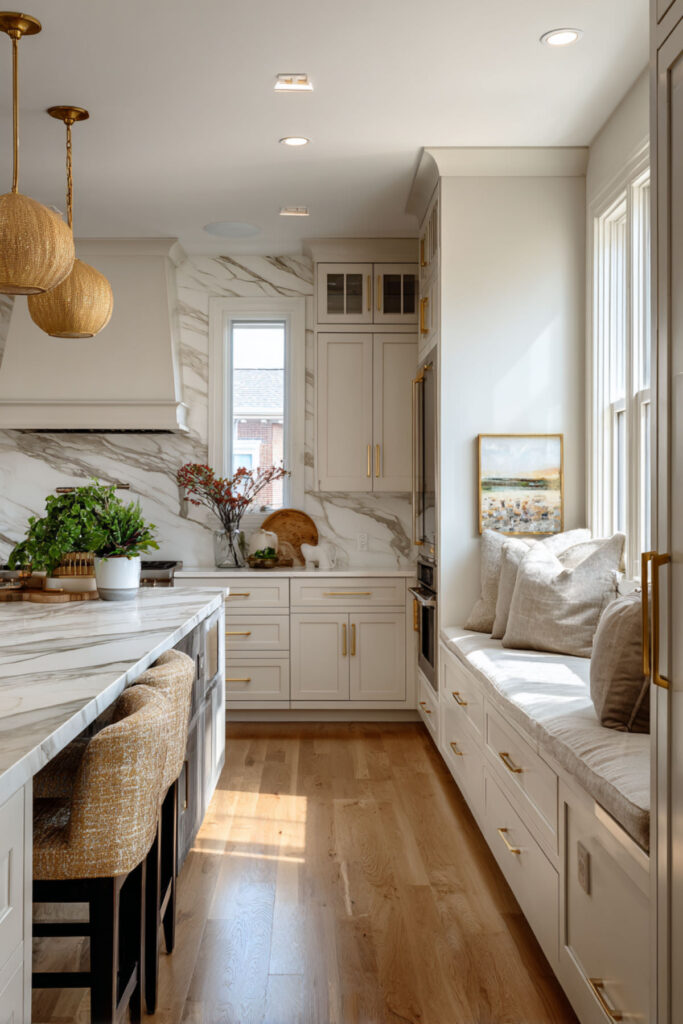
Incorporating universal design principles into your kitchen remodel ensures the space serves you through menopause and beyond. An accessible kitchen includes features like varied counter heights for days when standing feels difficult, pull-out shelves that eliminate deep reaching, and lever handles that work when grip strength fluctuates. These modifications aren’t about disability but about creating a kitchen that adapts to your body’s changing needs gracefully. The universal design approach means investing once in features that will serve you for decades rather than requiring future modifications.
Consider wider pathways for potential mobility changes, good lighting for aging eyes, and slip-resistant flooring for safety. These choices support you now during dizzy spells and hot flashes while future-proofing for continued independence. The stress reduction of knowing your kitchen will adapt with you cannot be overstated. This thoughtful planning eliminates future renovation stress when you may have less energy for major projects.
Sustainable Materials for Hormone Health
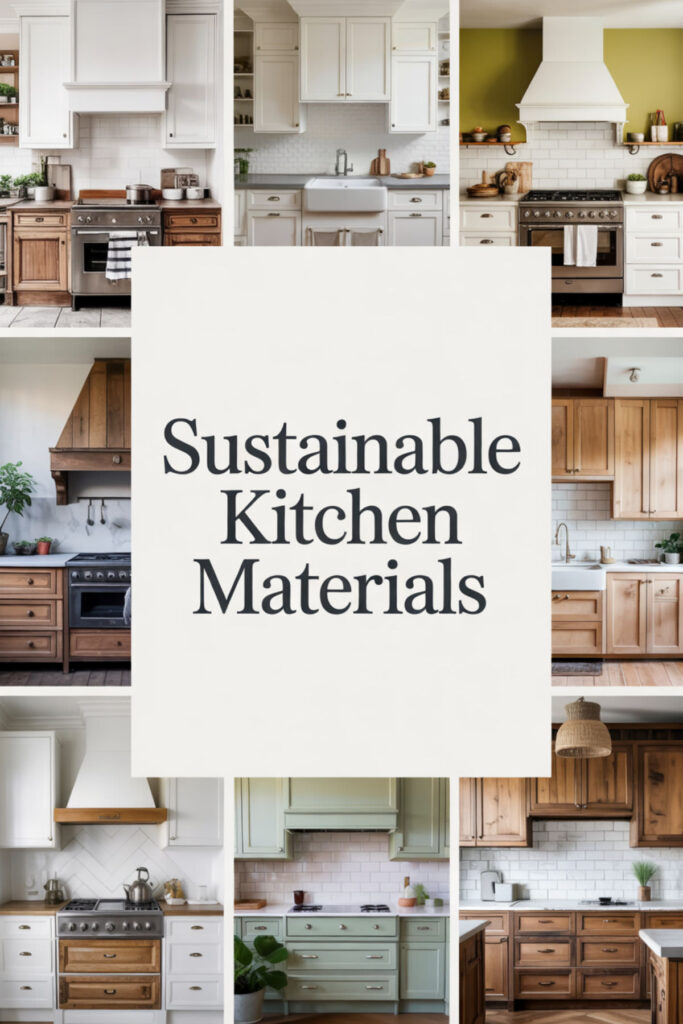
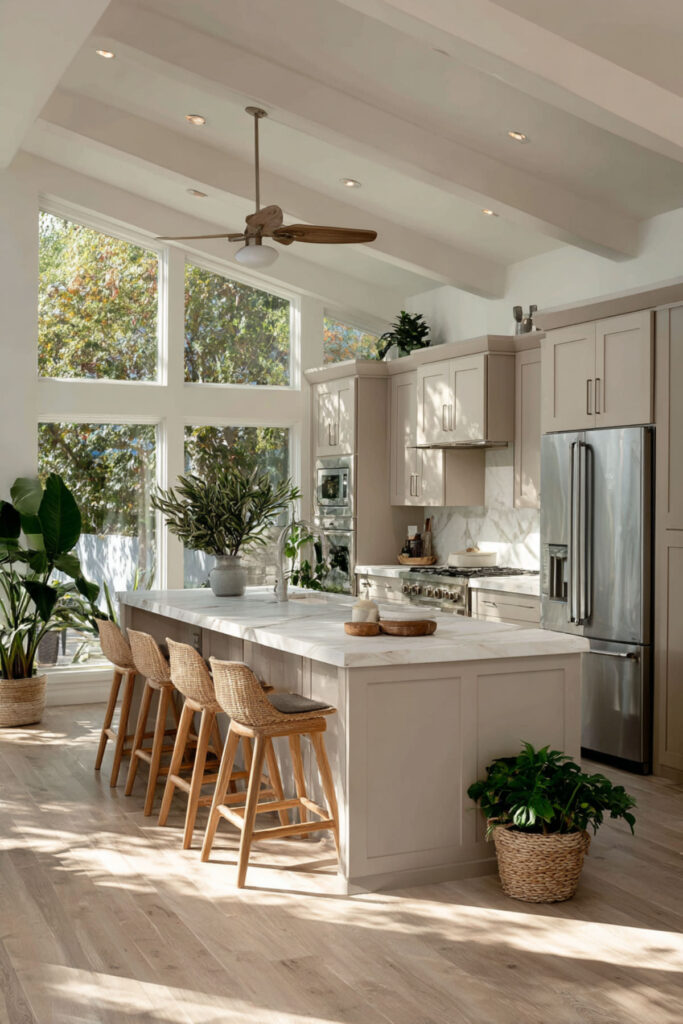
Choosing sustainable materials and eco friendly paint for your kitchen remodel supports both environmental and hormonal health during menopause. Natural materials like butcher block countertops and sustainable flooring options off-gas fewer chemicals that can disrupt already sensitive hormonal balance. These materials also age beautifully, developing patina rather than looking worn – much like you’re doing through this transition.
Sustainable choices often have better temperature regulation properties, helpful during hot flashes and temperature sensitivity. The peace of mind from knowing your space isn’t adding toxins to your body provides psychological calm. Low-VOC finishes and natural sealers prevent the headaches and nausea that chemical off-gassing can trigger during hormonal sensitivity. This investment in healthy materials pays dividends in reduced symptoms and better air quality for years. The connection to natural materials grounds you during a time when everything feels artificially disrupted.
Kitchen Triangle Optimization for Energy Conservation
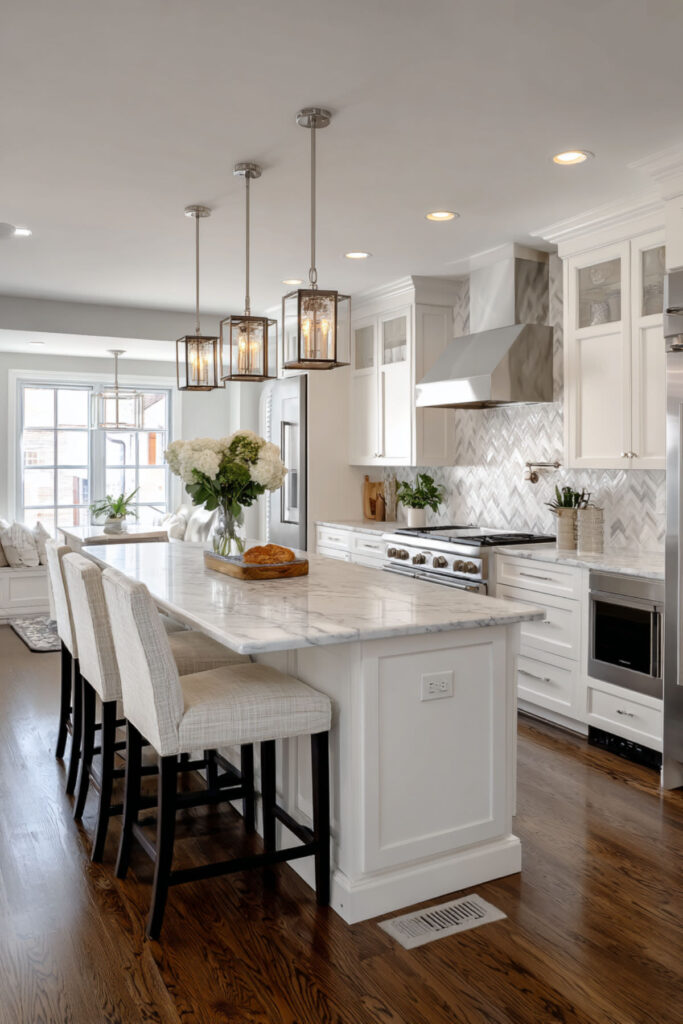
Optimizing the work triangle during your kitchen remodel becomes crucial when menopause affects energy levels and physical comfort. The kitchen triangle between sink, stove, and refrigerator should be compact enough to minimize walking but spacious enough to prevent feeling trapped. This classic design principle takes on new importance when every step counts during fatigue episodes. Consider multiple work zones so you can sit while prepping when standing feels overwhelming.
The optimized layout should include rest points – a stool here, a leaning counter there – acknowledging that cooking might happen in stages now. Kitchen plans that respect energy fluctuations make daily tasks less daunting when motivation is low. This thoughtful planning reduces the physical demands of meal preparation during challenging symptom days. The efficiency gained from proper triangle design provides energy reserves for other activities you value.
Calming Color Schemes for Nervous System Support

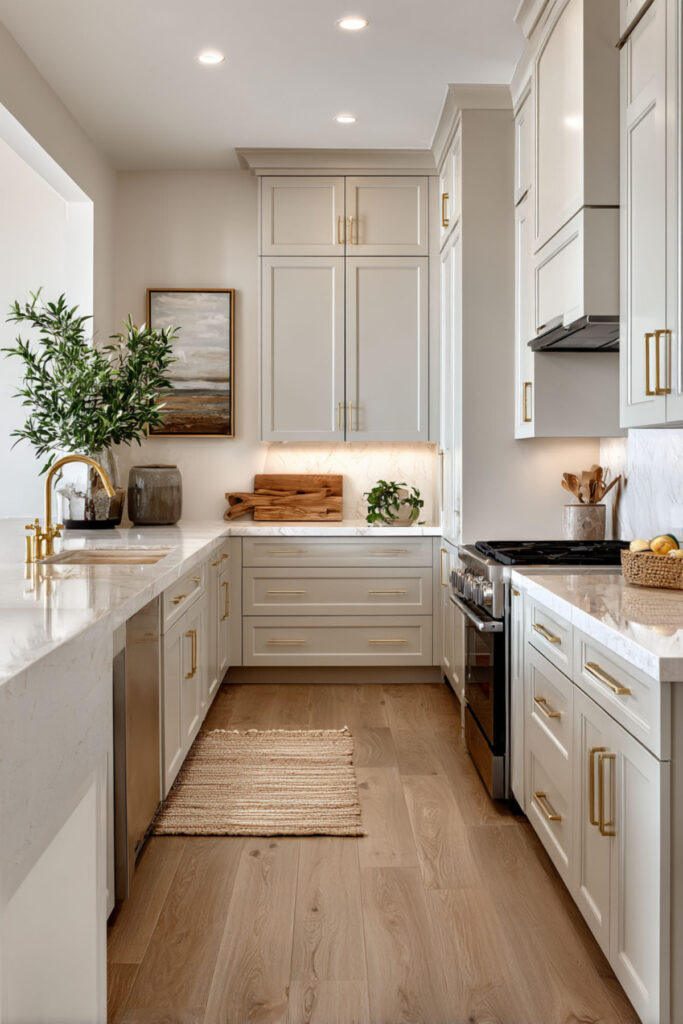
Selecting kitchen remodel colors schemes that support rather than stimulate your nervous system creates visual medicine for menopause symptoms. Soft neutrals, muted greens, and gentle blues have been scientifically proven to lower cortisol and reduce anxiety – crucial during hormonal fluctuations. Avoid high-contrast combinations that can trigger sensory overload when you’re already feeling overwhelmed.
The color palette should feel enveloping rather than energizing, creating a cocoon of calm during storm moments. Consider how colors will look under different lighting conditions since light sensitivity varies with hormonal changes. Timeless kitchen ideas using calming colors ensure you won’t tire of the palette as trends change. The psychological impact of color during this life phase shouldn’t be underestimated – it’s daily therapy. These color choices should make you exhale with relief every time you enter the space.
Energy Efficient Appliances for Temperature Management

Installing energy efficient appliances during your kitchen remodel serves the dual purpose of environmental responsibility and personal comfort during menopause. Modern appliances generate less ambient heat, crucial when hot flashes make additional warmth unbearable. Induction cooktops provide precise temperature control without heating the surrounding air like gas or traditional electric.
Quiet appliances reduce noise stress that can trigger anxiety or worsen headaches during hormonal sensitivity. The energy efficiency translates to lower utility bills, reducing financial stress during a time when medical costs might be increasing. Smart kitchen technology features like delayed start allow you to avoid hot cooking during peak symptom times. These appliances often have better ventilation systems, improving air quality when sensitivity to odors increases. The investment in quality, efficient appliances provides daily comfort improvements that compound over years.
Open Concept Considerations for Air Flow

An open concept kitchen remodel can improve air flow crucial for managing hot flashes, but must be balanced with need for defined spaces. The openness allows better circulation, preventing that trapped feeling that can trigger claustrophobia during hormonal anxiety. However, completely open plans can feel overwhelming when you need boundaries and quiet zones for restoration. Consider partial walls or peninsula designs that maintain flow while providing some separation for times when isolation feels necessary.
The open design should include multiple lighting zones for different moods and energy levels throughout the day. Kitchen space planning in open concepts must create intimate corners within the larger space for moments of retreat. This balance between openness and enclosure respects the varying needs menopause brings daily. The flexibility of open concept allows the space to adapt to your changing preferences.
Pull Out Shelves and Accessible Storage
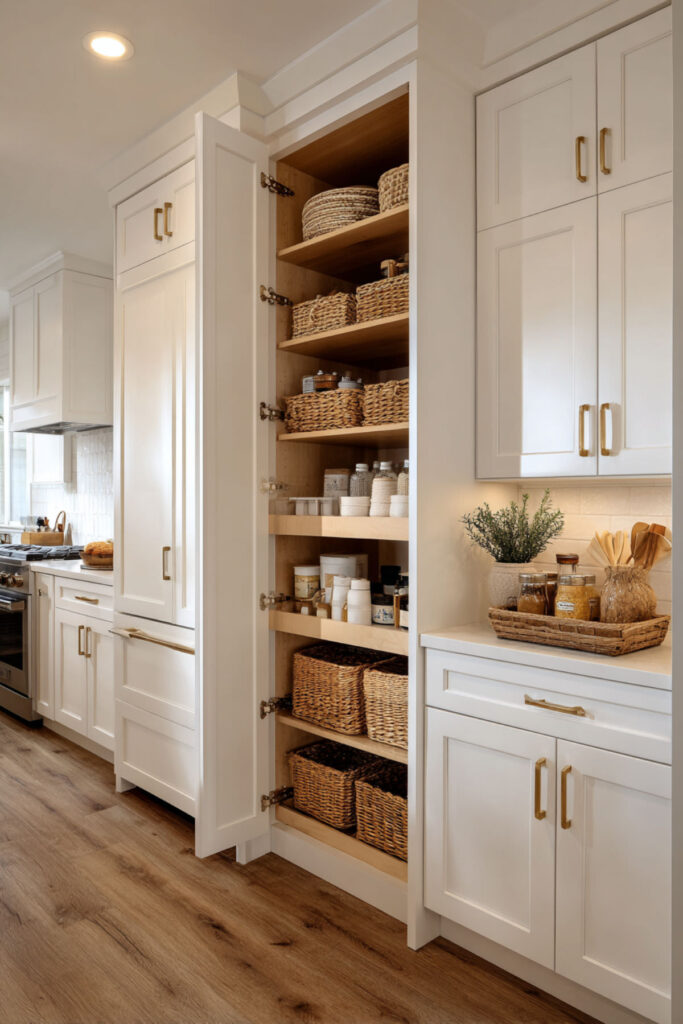
Incorporating pull out shelves and cabinets organization systems reduces physical strain when joint pain and fatigue accompany menopause. Cabinet options with full-extension drawers mean no more crawling into deep cabinets when balance feels off. These storage solutions bring items to you rather than requiring bending, stretching, or climbing that can trigger dizziness. The organization visibility reduces the frustration of searching for items during brain fog episodes.
Every cabinet becomes fully functional rather than having dead zones where items disappear. The reduced physical demands of accessing storage preserves energy for activities that bring joy. This investment in accessibility features serves you immediately while preparing for future aging needs. The stress reduction from easily finding and reaching everything cannot be quantified but profoundly impacts daily life.
Kitchen Lighting for Hormone Regulation
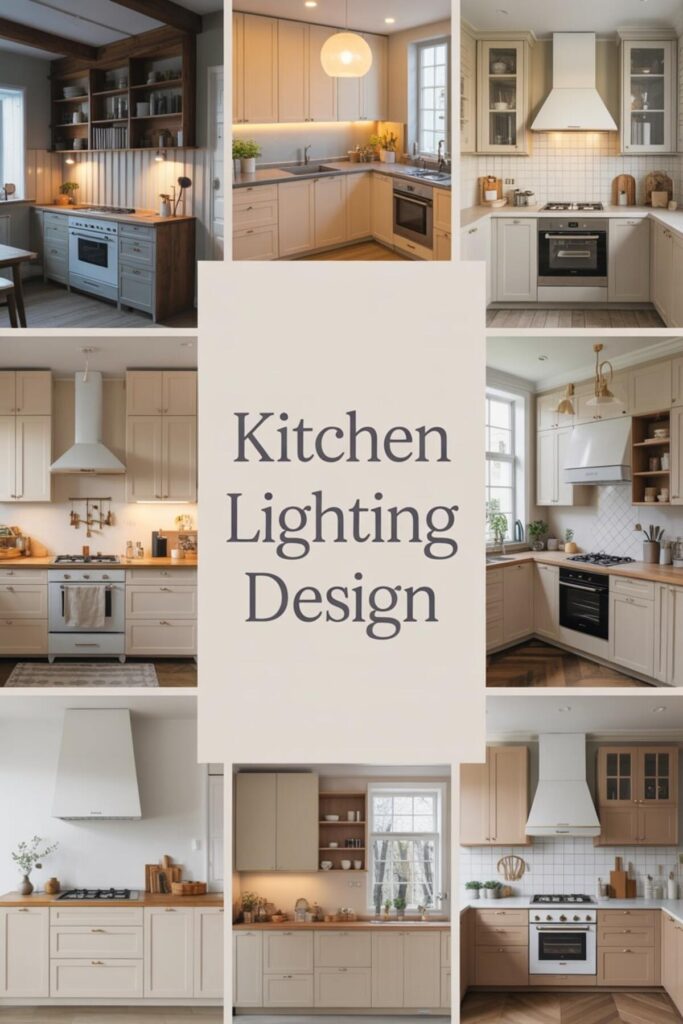
Thoughtful lighting design in your kitchen remodel can actually help regulate hormones and support circadian rhythms disrupted by menopause. Layer lighting with dimmers to adjust for varying sensitivities – bright for tasks, soft for evening wind-down. Under-cabinet lighting eliminates shadows without harsh overhead glare that can trigger headaches. Natural light optimization through window placement or skylights provides vitamin D and mood regulation.
Consider circadian rhythm bulbs that shift color temperature throughout the day, supporting natural sleep-wake cycles. The ability to control lighting intensity helps manage sensory sensitivity that fluctuates with hormones. Multiple lighting zones allow different areas to serve different needs simultaneously. This investment in quality lighting affects mood, energy, and sleep quality – all crucial during menopause.
Herbs Indoors for Natural Support
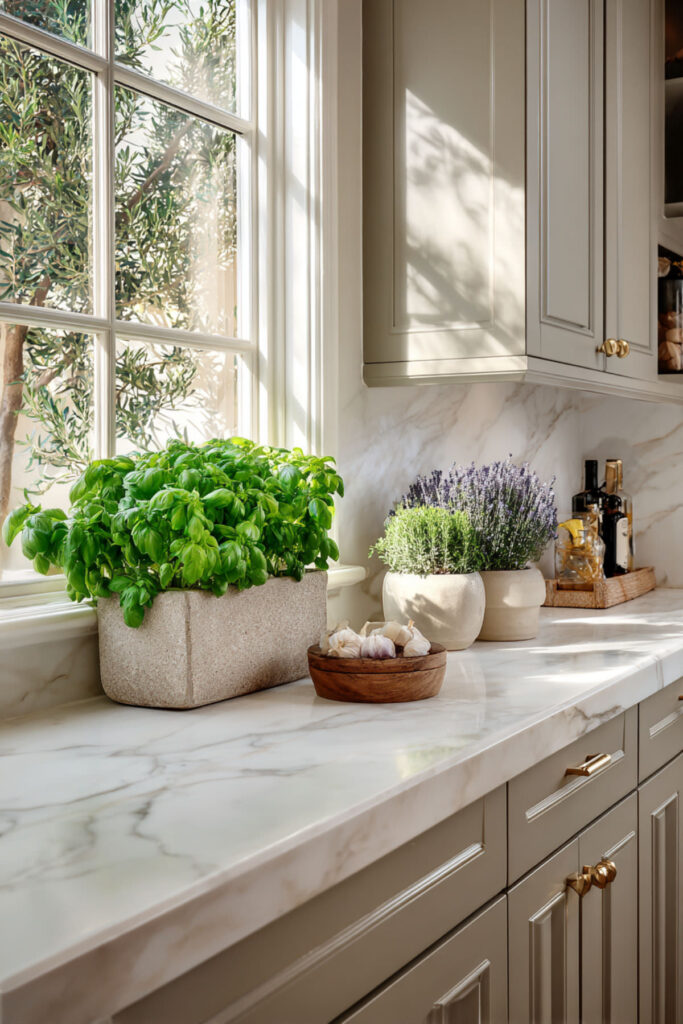
Incorporating herbs indoors into your kitchen remodel provides both practical and therapeutic benefits during menopause. A dedicated herb garden window or wall brings nature’s pharmacy into daily reach for teas and remedies. Growing herbs like sage, mint, and lavender provides aromatherapy while cooking and natural remedies for symptoms. The act of tending plants offers grounding routine when everything else feels chaotic.
Fresh herbs encourage healthier cooking that supports hormonal balance through nutrition. The green living elements improve air quality while providing visual calm. This connection to growing things normalizes your own life cycle transitions. The herbs serve as both functional ingredients and living reminders of nature’s healing power.
Budget-Friendly Updates for Maximum Impact
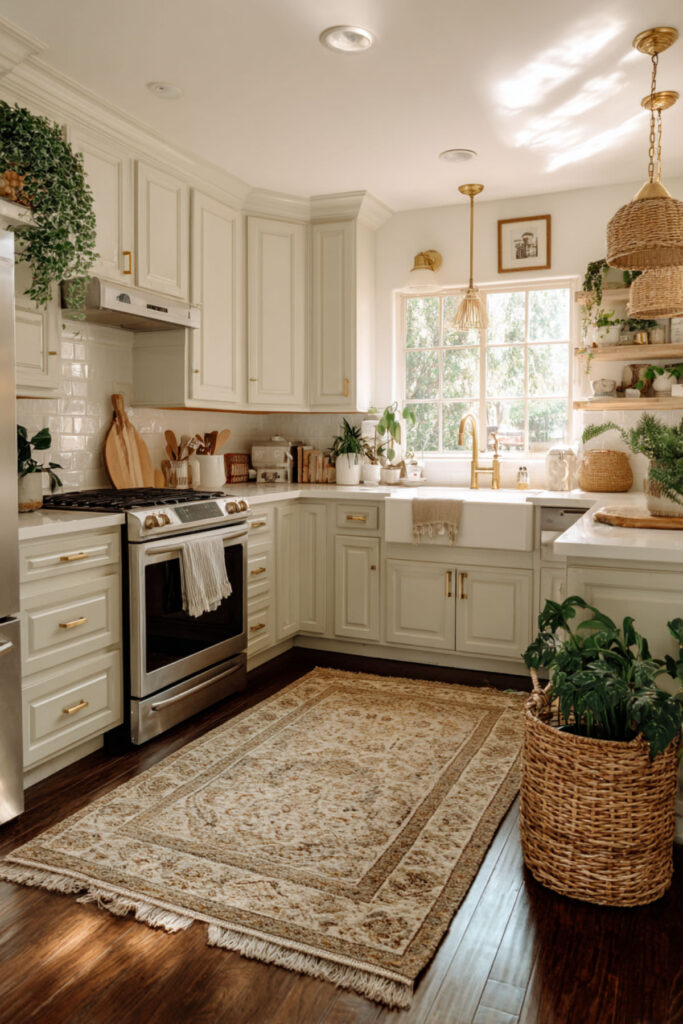
A budget kitchen remodel or affordable kitchen remodel can still provide significant stress reduction when choices focus on menopause needs. Small kitchen remodel ideas like painting cabinets in calming colors or updating hardware to easier-grip styles make big differences. DIY kitchen remodel projects completed at your own pace respect both budget and energy limitations. Focus spending on elements that most impact daily comfort – perhaps better lighting or a more comfortable flooring.
A pull-down kitchen faucet offers a high-impact, mid-range upgrade, instantly improving daily cooking and cleanup routines while elevating the overall look. Kitchen refresh ideas like new backsplash or countertops can transform the space without gutting everything. The financial stress reduction from staying within budget actually supports hormonal balance. These smaller updates can be tested and adjusted without major commitment. Budget consciousness during menopause is self-care, not limitation.
Traditional Kitchen Elements for Timeless Comfort
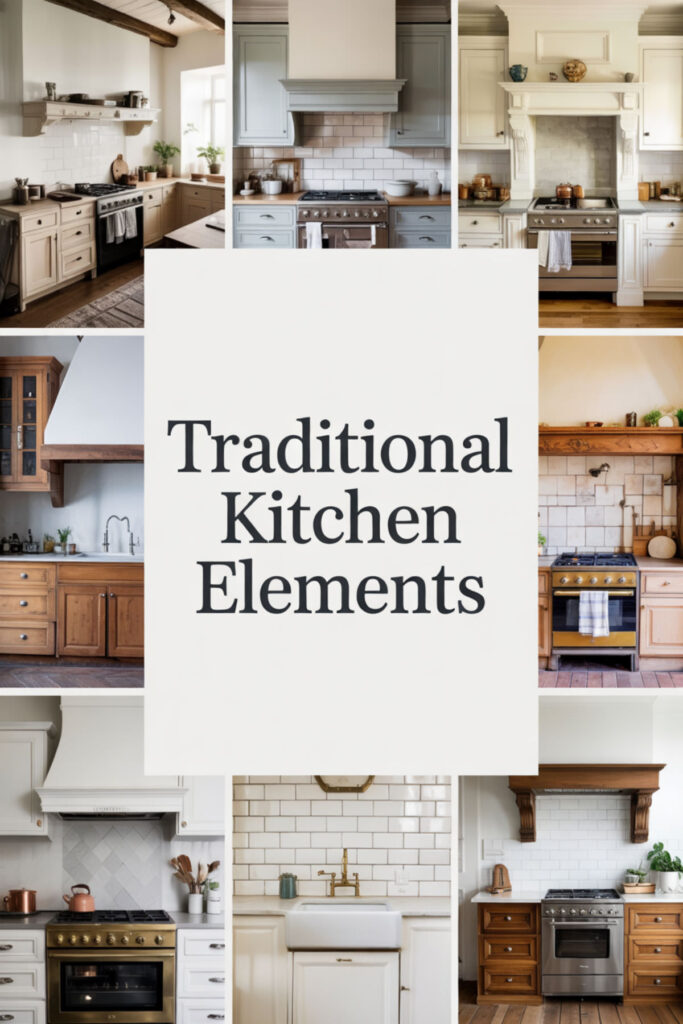
Traditional kitchen inspiration and traditional kitchen remodel choices provide the timeless comfort that soothes during life transitions. Classic elements like shaker cabinets and marble countertops won’t trigger trend anxiety as styles change. The familiarity of traditional design feels stable when everything internal feels shifting. Elegant kitchens with traditional elements age gracefully, like you are, without requiring constant updates.
These design choices have proven their worth over generations, providing confidence in your decisions. Traditional doesn’t mean boring – it means choosing elements that have demonstrated lasting appeal. The comfort of classic design reduces decision fatigue when everything already feels overwhelming. This approach creates a kitchen that feels permanent and grounding during temporary but intense symptoms.
Contemporary Updates for Simplified Living
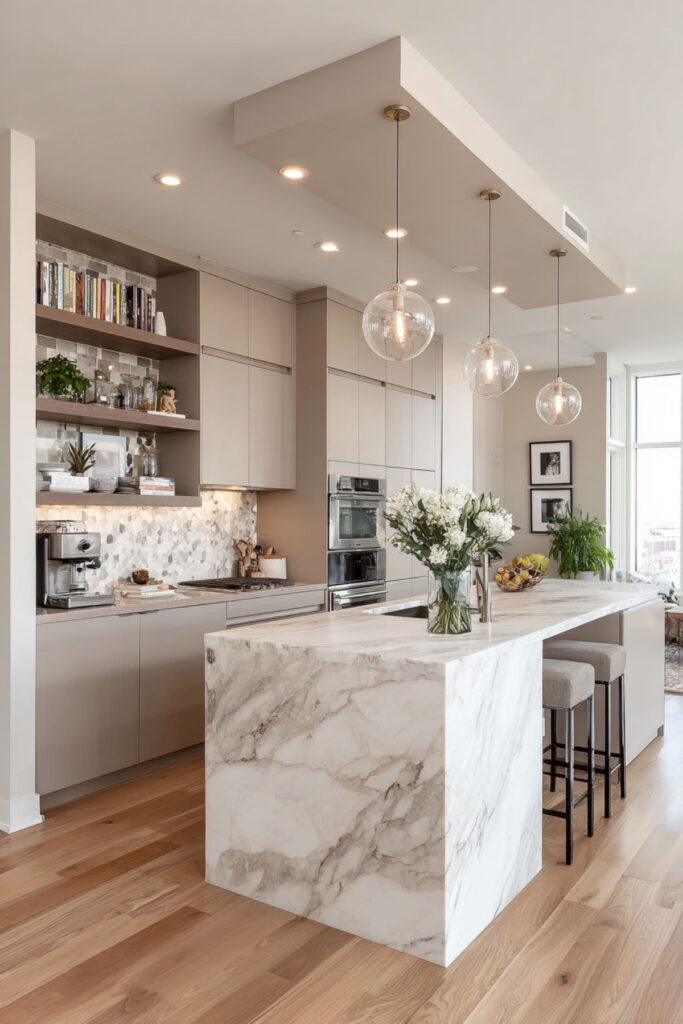
A contemporary kitchen remodel or modern kitchen remodel can simplify your life through clean lines and hidden storage that reduces visual clutter. Contemporary design’s emphasis on minimalism naturally reduces the overwhelm that exacerbates menopause symptoms. Handleless cabinets and integrated appliances create calm surfaces that don’t assault sensitive nervous systems. The modern approach to storage means everything has a place, reducing the frustration of searching during brain fog.
Contemporary materials often require less maintenance, preserving energy for self-care. The simplicity of modern design makes cleaning easier when energy is limited. This aesthetic choice reflects an internal desire for clarity and calm during complexity. The contemporary kitchen becomes a refuge from chaos rather than contributing to it.
Farmhouse Elements for Nurturing Comfort

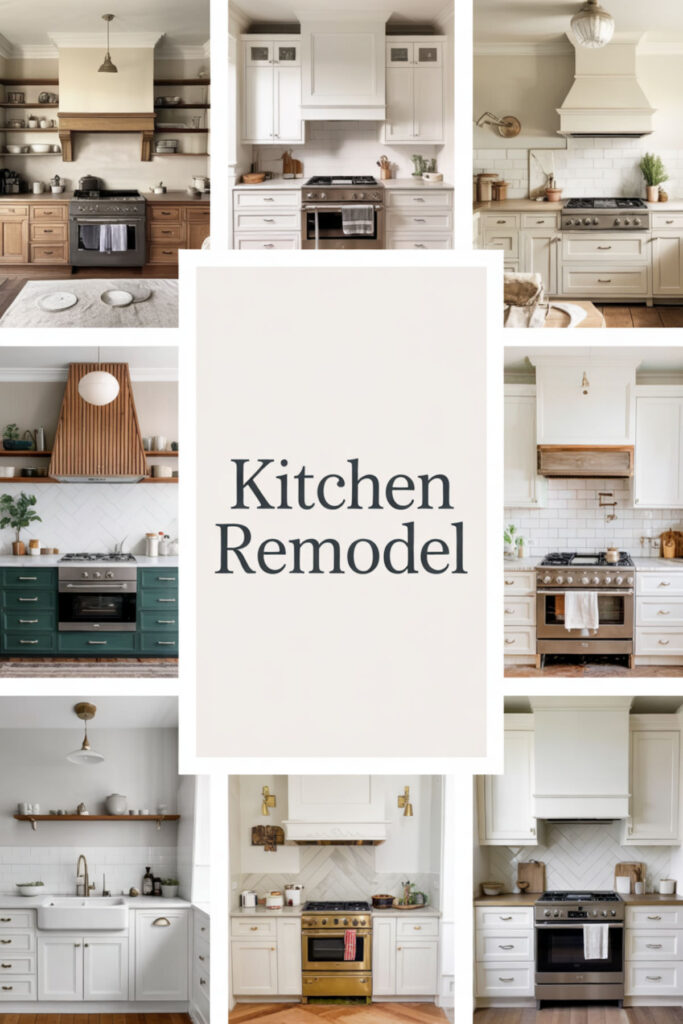
A farmhouse kitchen remodel brings nurturing comfort through natural materials and lived-in warmth that soothes menopausal anxiety. The farmhouse aesthetic’s acceptance of imperfection gives permission to be imperfect yourself during this transition. Natural wood, soft whites, and gentle textures create sensory comfort when everything feels harsh.
The style’s emphasis on gathering and nourishment aligns with focusing on self-care. Farmhouse elements like large sinks and generous prep spaces make cooking medicinal meals easier. This design approach feels like a warm hug when you need comfort most. The coziness doesn’t sacrifice functionality – farmhouse kitchens are designed for real use. This style ages beautifully, developing character that mirrors your own evolution.
Smart Technology for Symptom Management
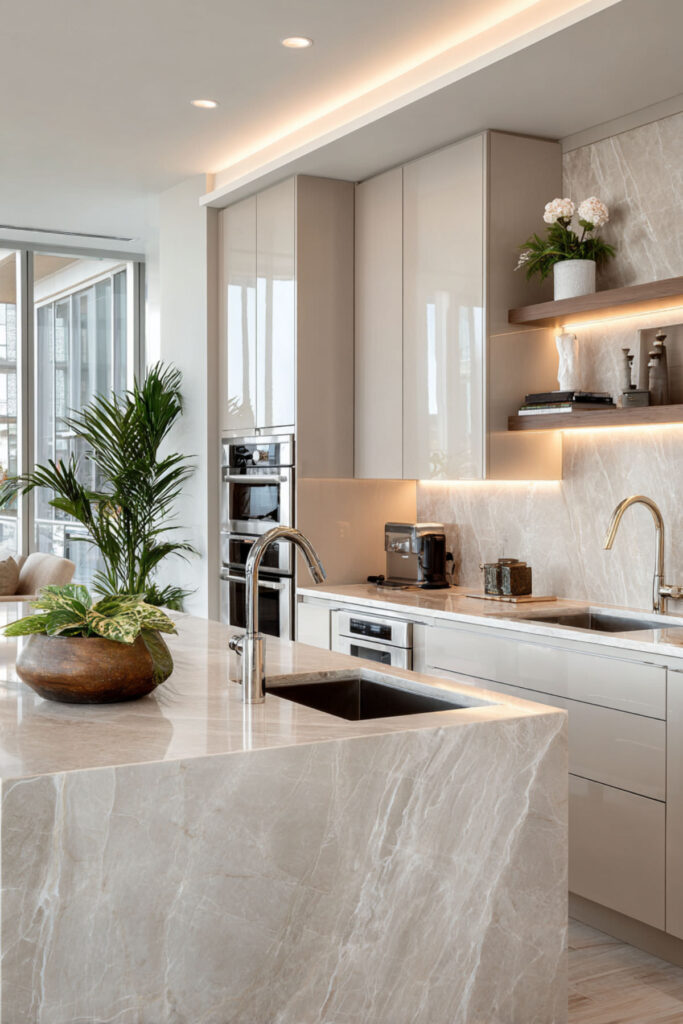
Incorporating smart kitchen technology selectively can support symptom management without overwhelming with complexity. Voice-controlled features help when brain fog makes remembering sequences difficult. Smart faucets with temperature memory prevent scalding during moments of distraction.
Automated lighting that adjusts to time of day supports circadian rhythm regulation. App-controlled appliances allow meal prep scheduling around symptom patterns. The technology should simplify rather than complicate daily routines. Choose intuitive systems that don’t require constant updates or troubleshooting. This selective use of technology provides support without adding stress. The goal is assistance, not automation of everything.
Creating Multiple Zones for Varying Needs

Your kitchen remodel should create multiple zones that serve different needs as energy and symptoms fluctuate throughout the day. A coffee station for morning rituals, a supplement organization area for health management, a comfortable seating nook for resting. Each zone should function independently so you can use what you need without accessing everything.
This approach respects that some days you’ll cook elaborate meals, others you’ll barely manage tea. The zones prevent the all-or-nothing thinking that can accompany menopause mood swings. Different areas can have different ambiances – bright for energy, soft for calm. This flexibility allows the kitchen to adapt to your needs rather than forcing you to adapt. The multi-zone approach acknowledges the complexity of your daily experience.
Kitchen Remodel Must-Haves for Menopause
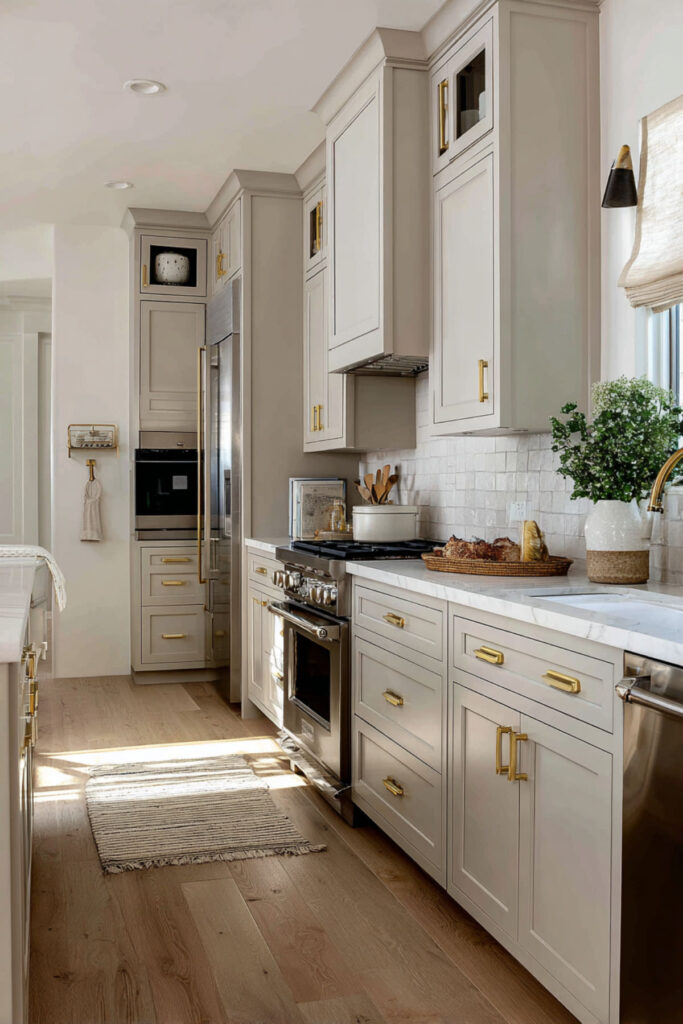
Your kitchen remodel must haves during menopause include features that specifically address common symptoms and challenges. Excellent ventilation for managing cooking odors that trigger nausea, multiple temperature zones for hot flash management, easy-clean surfaces for low-maintenance living. Include a water station to encourage hydration, comfortable seating for fatigue management, and sound-dampening materials for noise sensitivity.
These must-haves aren’t luxuries but necessities for navigating this life phase comfortably. The investment in symptom-specific features pays dividends in daily quality of life. Each element should contribute to making the kitchen a healing space rather than a challenging one. These features support you through menopause and remain valuable beyond.
Planning Your Menopause-Conscious Remodel
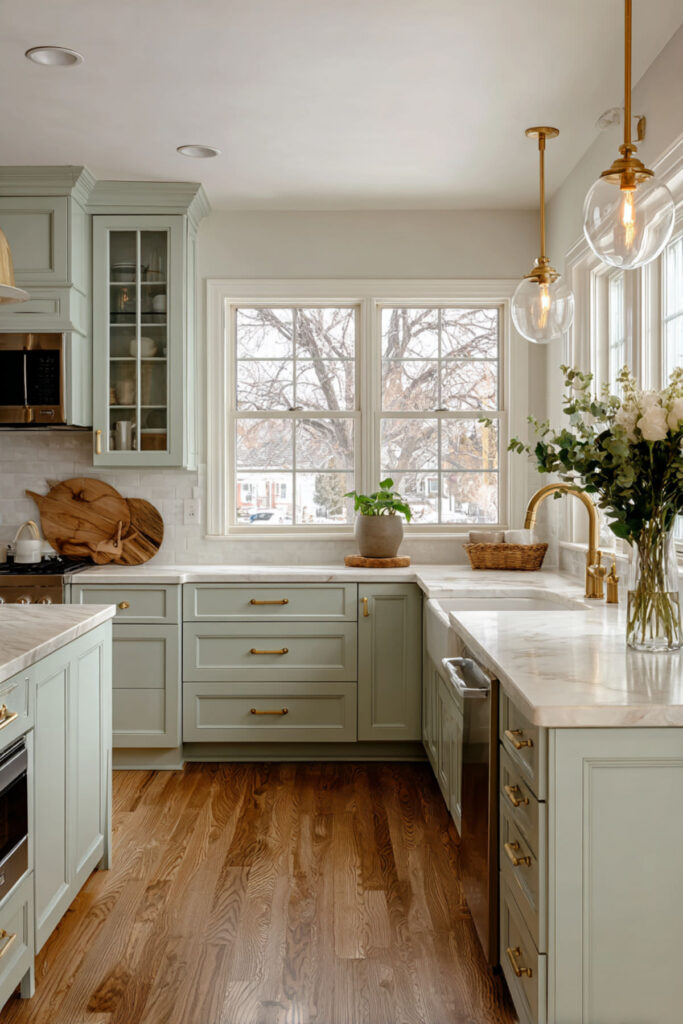
Your stress-free kitchen remodel during menopause requires different considerations than renovations at other life stages. The process itself needs to be as healing as the final result, with flexibility for symptom fluctuations and energy variations. Every decision should be filtered through the lens of “Will this support my wellbeing?” rather than just aesthetics or resale value.
Start by identifying your most challenging symptoms and how the kitchen could better support you. Maybe it’s the harsh lighting that triggers headaches, or the deep cabinets that exhaust you. Address these functional needs first, then layer in the aesthetic choices that bring calm. Consider hiring contractors who understand your need for a flexible timeline and minimal disruption. Check out these luxury kitchen design ideas created for women in their 50s who want calm, elegant spaces without the clutter.
Ready to create more menopause-supportive spaces? Check out our guides for hormone-friendly bedroom designs or bathroom renovations that promote self-care. Save these remodel ideas for when you feel energized and clear-headed enough to make decisions. Your kitchen renovation should be an act of self-care that creates a space supporting you through this transition and beyond. Every choice that reduces stress and increases calm is an investment in your wellbeing during this profound life change.
These extras tie everything together — save them to revisit.

If this gave you new ideas, don’t forget to check out the rest of my site.